
Province announces $20 million plan to decommission section of Kettle Valley Trail
Damaged by the 2021 atmospheric river, 67-km section supports active travel, recreation and tourism across critical stretch of popular rail trail.
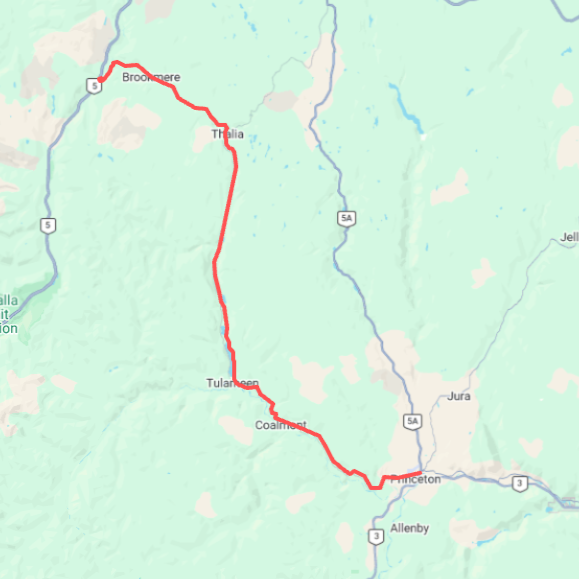
The 67-km portion of the Kettle Valley Rail Trail that the BC Ministry of Environment and Parks has said will be decommissioned.
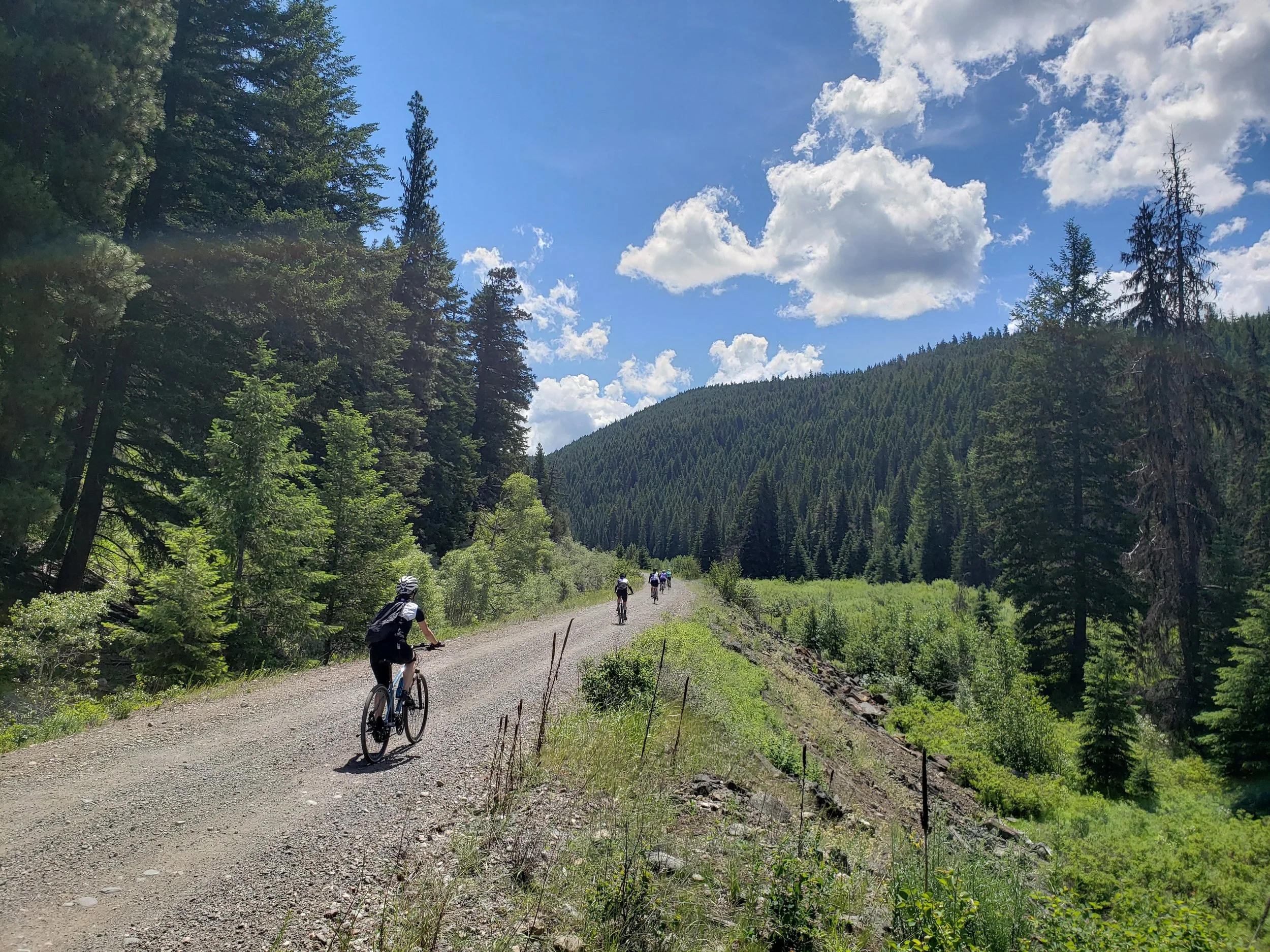
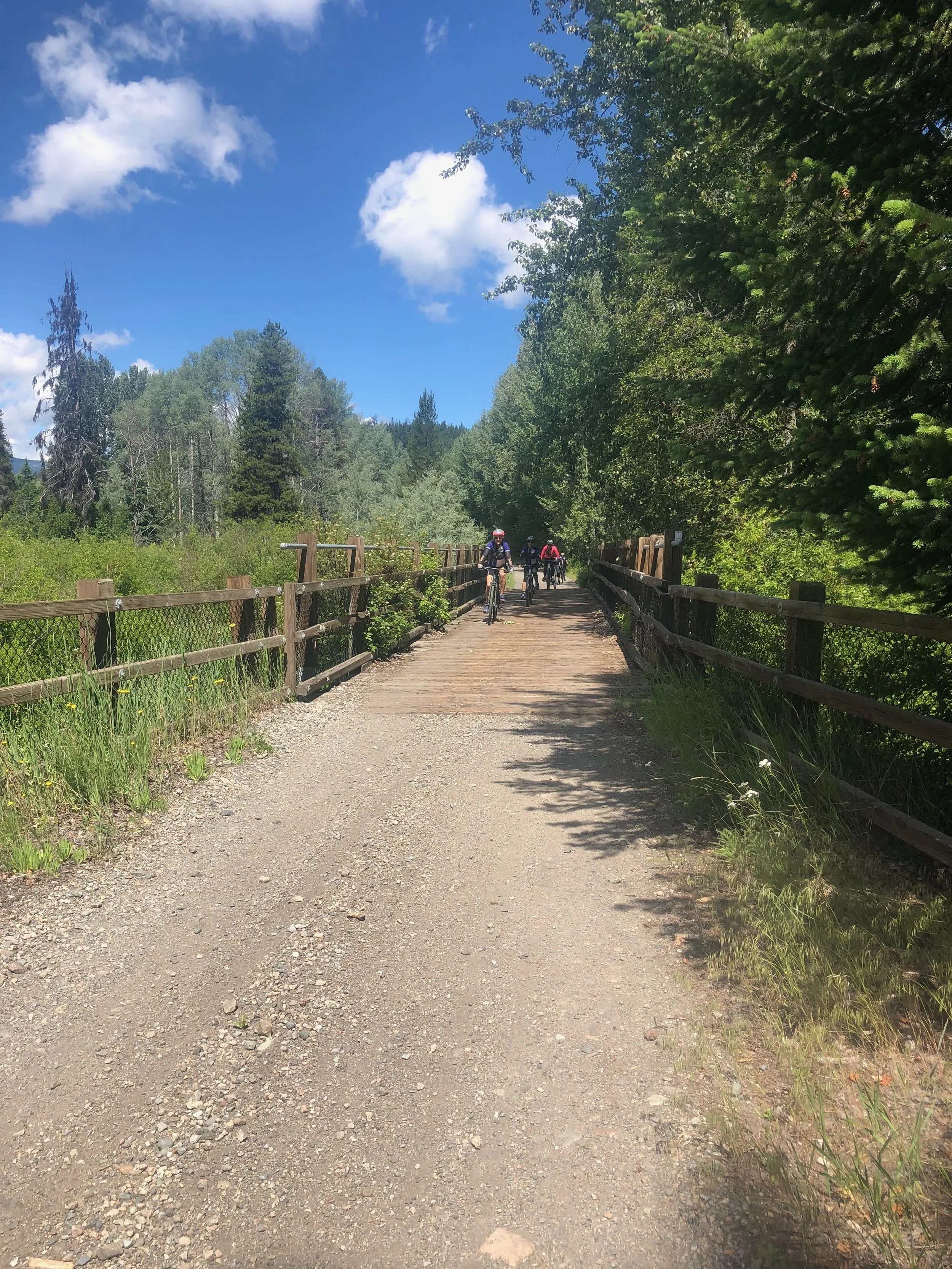
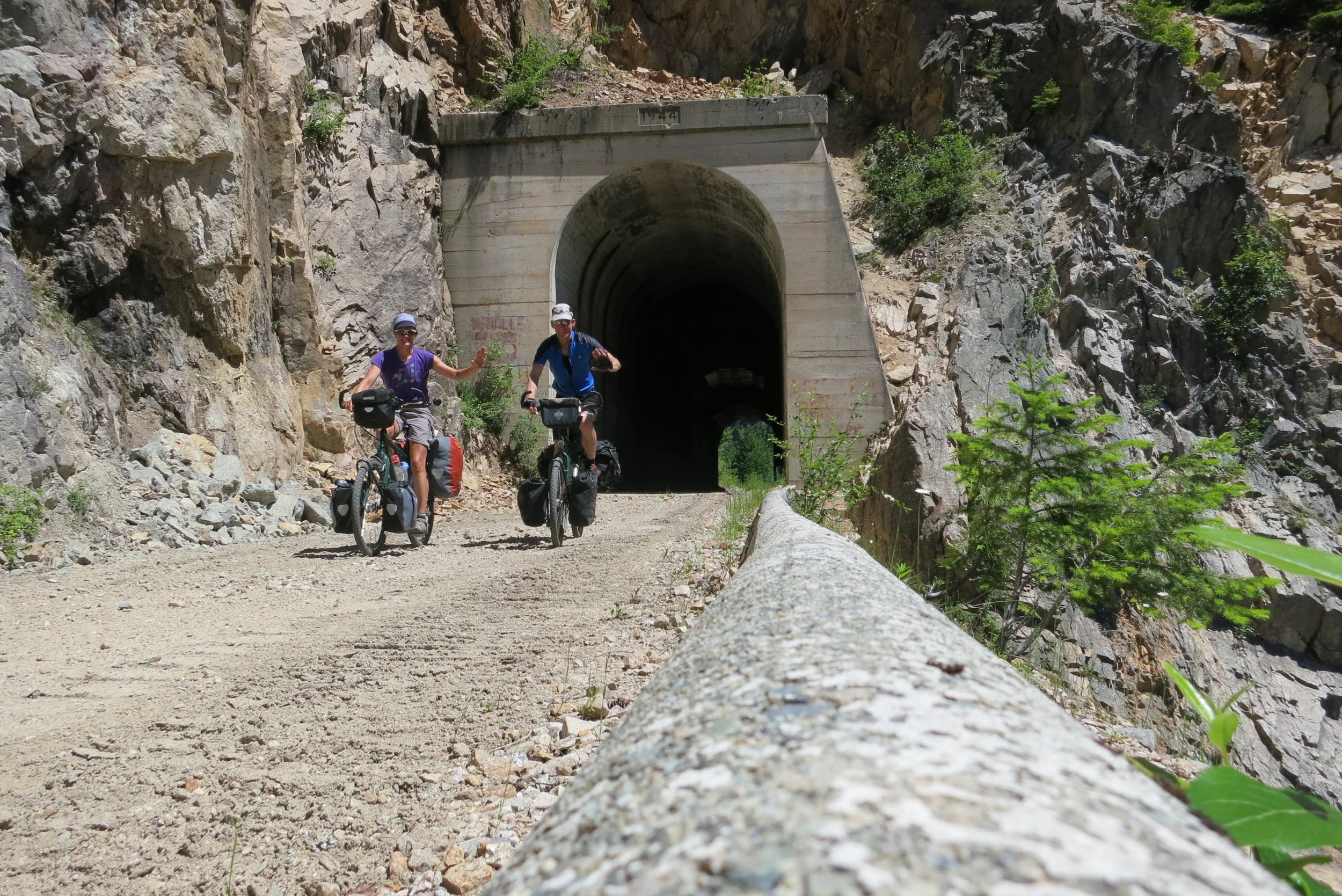
Earlier this month, BC’s Ministry of Environment and Parks informed a group of stakeholder organizations that included the BC Cycling Coalition of their decision to permanently “deactivate” a 67-kilometre portion of the Kettle Valley Rail Trail (known as ‘the KVR’), a popular multi-use trail that has served recreational and commuter users for the past four decades.
Located just west of Princeton and winding in an S-curve northwest to Coldwater River and the Coquihalla Highway, the segment of the KVR suffered extensive damage during the atmospheric river event of November 2021, with 50 sites identified as “significantly compromised by flooding and erosion directly related to the event.”
In their letter to various KVR interest holders, including the Town of Princeton, local First Nations, and Trails BC, longtime provincial stewards of the Trans Canada Trail (TCT), the Ministry’s Trails and Trail Infrastructure team said that the deactivation has been determined as “the most prudent response” to the damage sustained over four years ago.
“Full restoration for recreational use is neither economically viable nor environmentally sustainable,” said Ministry spokespeople, stating that the provincial priority has shifted from an active recreational asset to a permanently deactivated state, “to mitigate ongoing environmental, structural, and public safety risks”, with the ultimate goal of moving “toward a controlled transition [with]…a primary goal…to return the rail corridor to a self-maintaining state,” including restoration of the floodplain habitat, stabilizing drainage patterns and erosion control, and ultimately removing all bridge structures and culverts.
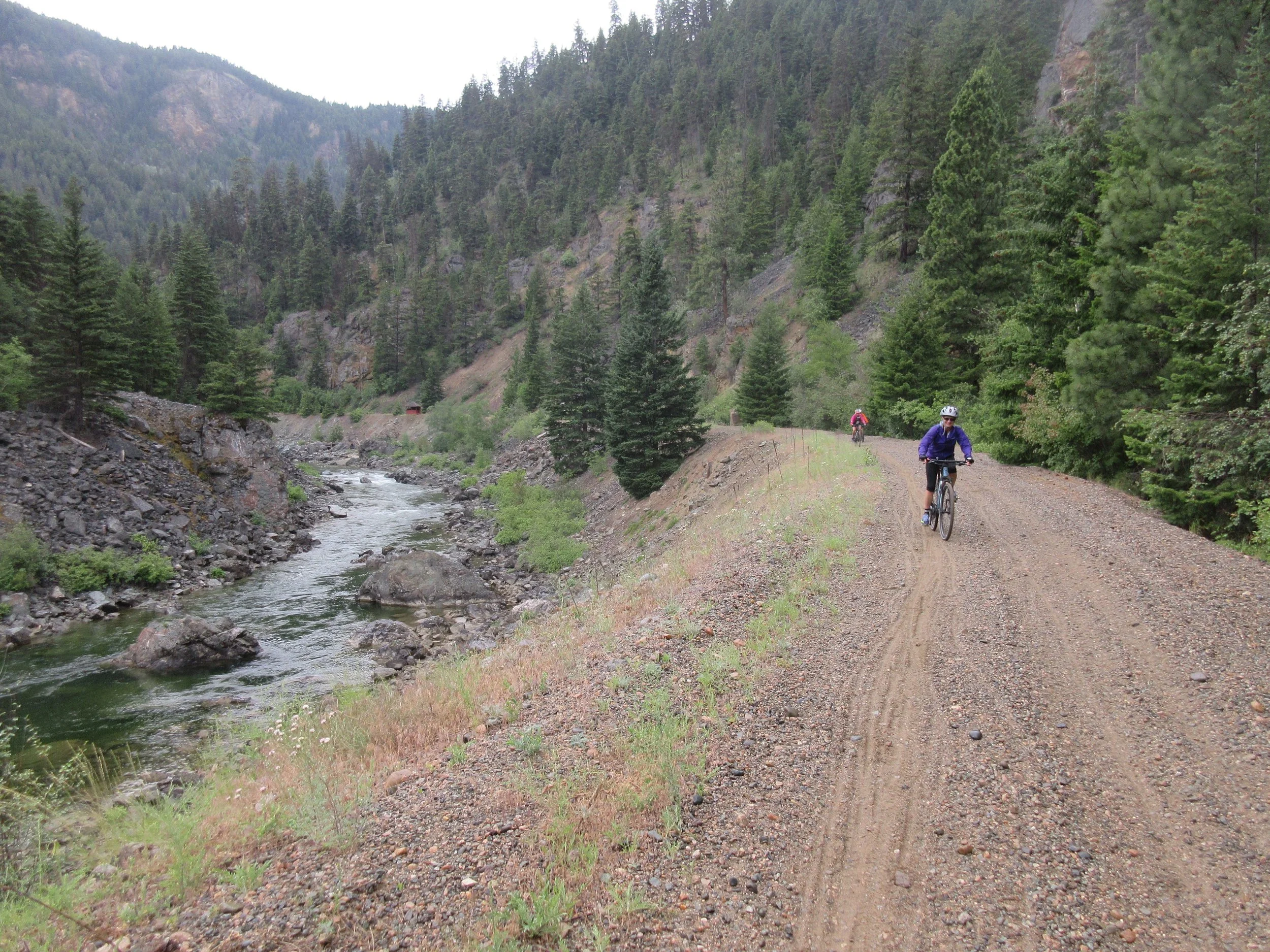
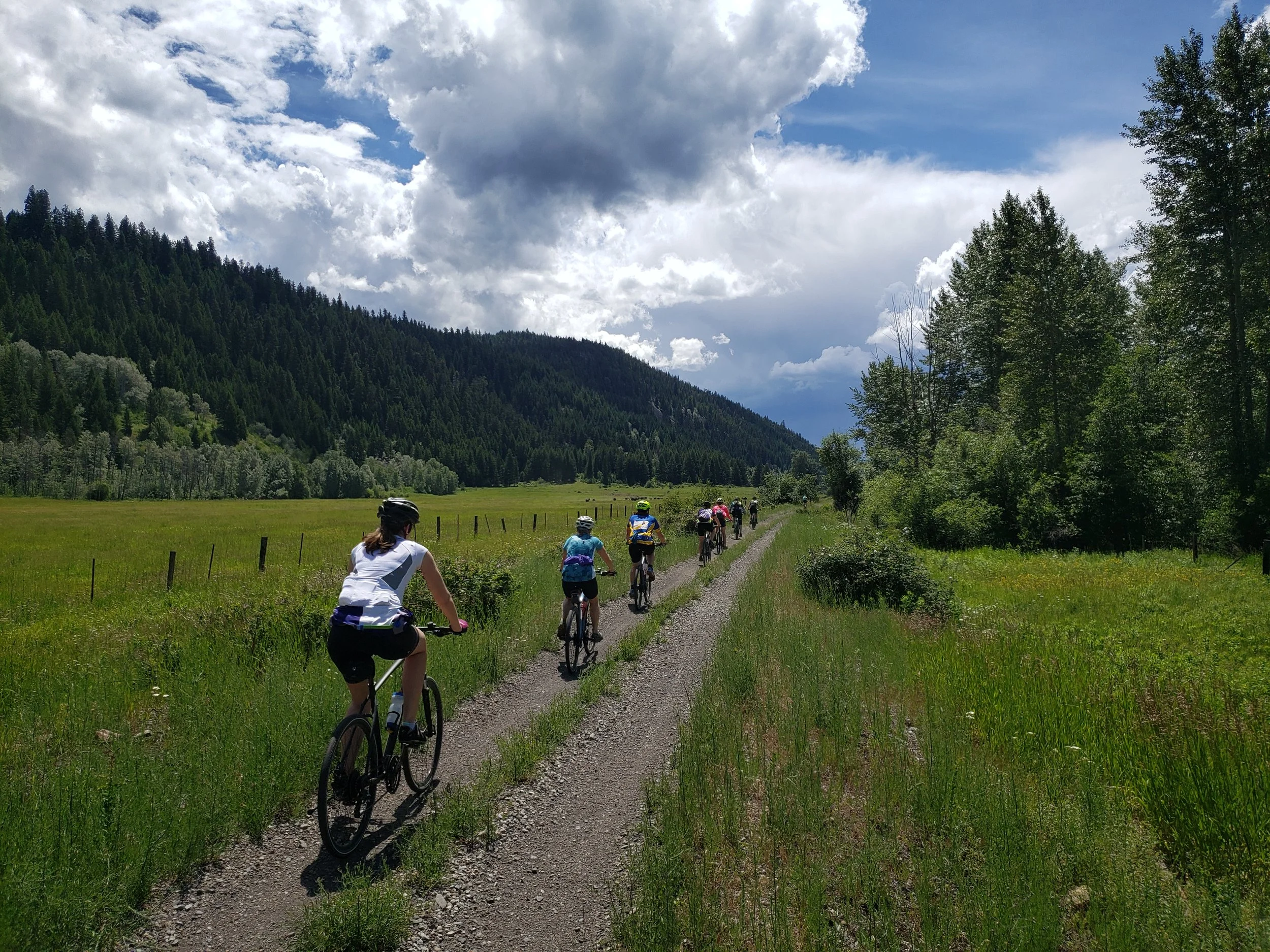
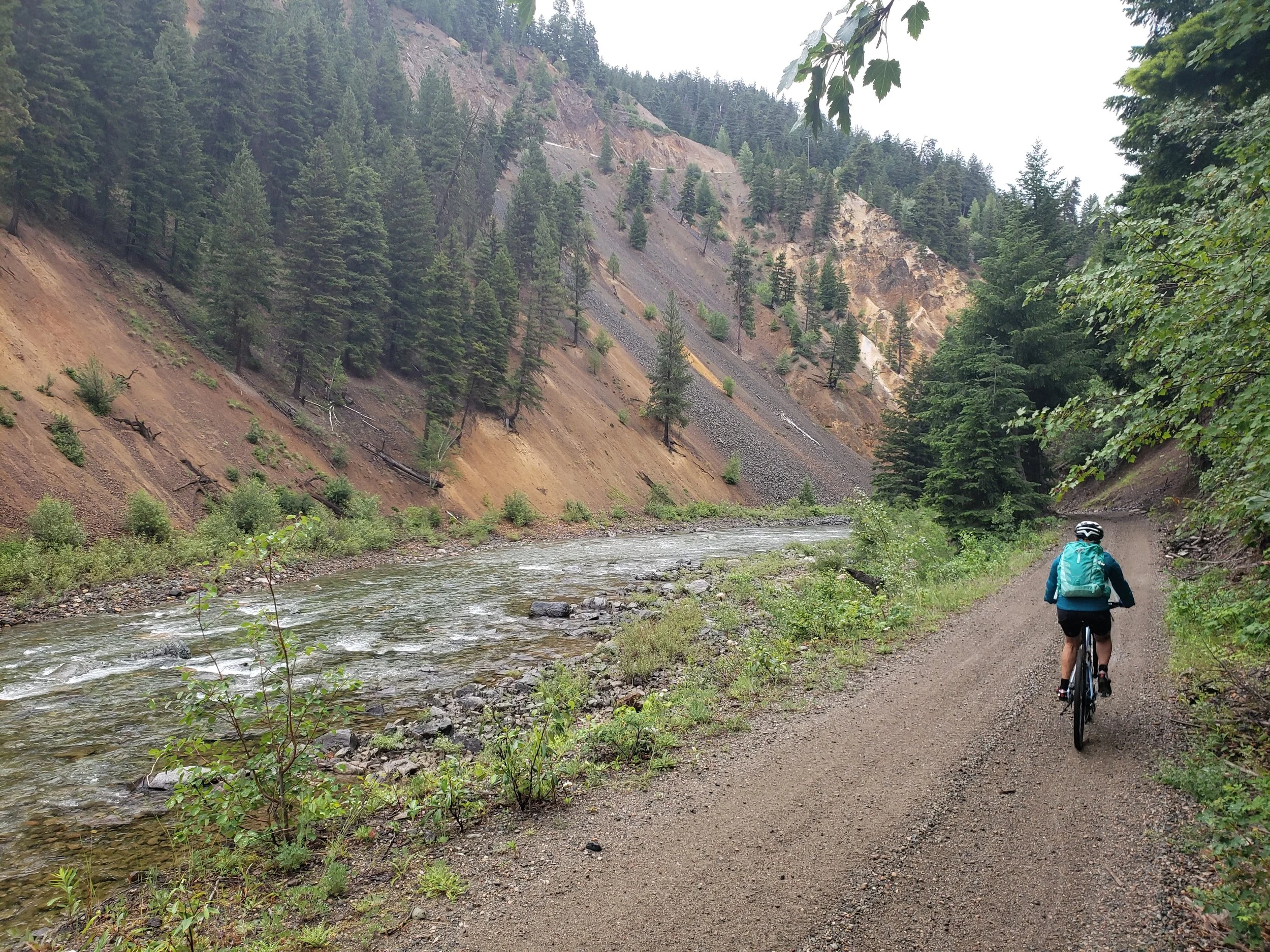
As a result of the announcement, supporters of the KVR have started a petition to government to protest the planned decomissioning plan, as well as a Facebook group, both under the banner “Save the KVR.”
In an open letter published on February 6th, Princeton Mayor Spencer Coyne said that the town was "deeply disappointed" by the decision. “[It] will have significant and lasting consequences for our community, negatively affecting our tourism economy, recreational opportunities, cultural activities and overall quality of life," Coyne said.
In their original letter, the provincial government did not reference the value of active travel, recreation and local tourism in the region, and the importance of this section to the KVR— one-tenth of the entire length of the rail trail—to the many thousands of British Columbians and visitors who use it on an annual basis.
In their official public statement on the matter, the provincial government referenced an initial estimated cost of $20 million to fully decommission the segment of the KVR, while stating that repairing and restoring the segment to its former trail use would cost $60 million.
Some estimates suggest that long-distance trail systems of comparable quality and scale can generate $15–$30 million annually in direct visitor spending in Canada, translating into $25–$60 million in total regional economic impact through accommodations, food services, transportation, guiding, retail, and local supply chains.
Update on Save the KVR effort
Since the announcement, Princeton Mayor Spencer Coyne posted the following on the Save the KVR Facebook page:
“Provincial staff have connected with the Town of Princeton team, and we are hopeful we will soon receive a call from the responsible Minister. We are also hopeful that the engineer's report will be released soon, so we can assess the full extent of the damage. Representatives from the Trans Canada Trail will also be visiting our area, travelling from Montreal, and we are currently working to confirm a date for the in-person meeting.”
“I have also been in contact with the Outdoor Recreation Council of BC and other provincial organizations, and we continue to see letters of support coming in. Thank you to everyone who has taken the time to write to the Province; your voices matter.”
“Over the coming week, we will begin organizing meetings with identified stakeholder organizations to establish a steering committee that reflects the full section of the trail impacted. This will include representation from the Tulameen and Similkameen, as well as the Nicola and Brookmere areas.”