

British Columbia’s Voice for Active Transportation
Our vision—that active transportation in British Columbia is safe, practical and enjoyable for everyone.
The BC Cycling Coalition provides public education and information, resources, tools, and encouragement programs supporting active transportation in British Columbia. We also convene conversations and events across the province for our members and supporters. Join us!
Our Work
Latest News
This spring will mark the first time in over two decades that the provincial government will not be announcing project awards to B.C. communities as part of their annual Active Transportation (AT) Infrastructure Grant program. The program was paused in late summer 2025, and there is currently no sign of it returning.
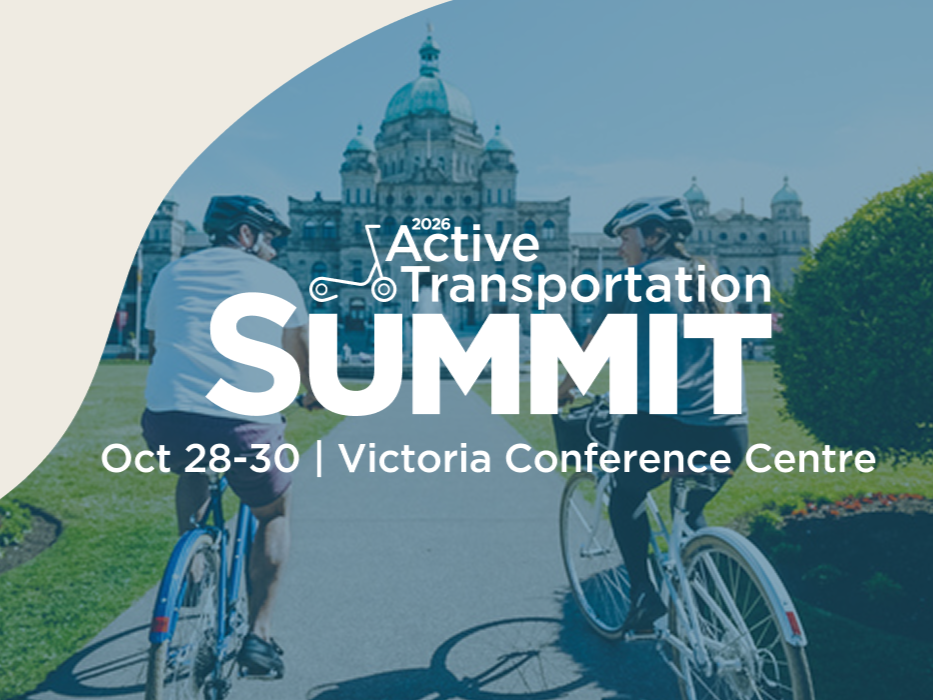
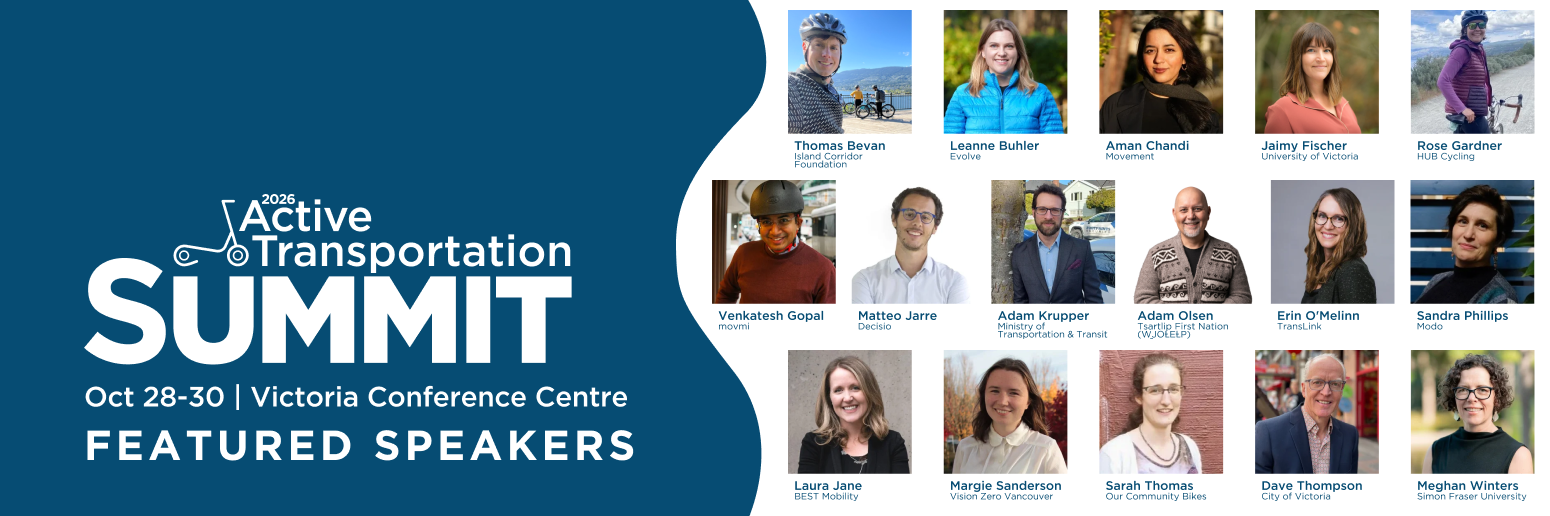
Active transportation advocates, educators, engineers, planners, policy-makers, researchers, and practitioners are invited to submit proposals to the 2026 AT Summit through the public Call for Abstracts, now open:
The BC Bike Valet Grant program is open to First Nations and local governments, non-profits, clubs, co-operatives, associations, and private businesses. Last year, 14 organizations received over $280,000 in funding to support the operation of bike valets at events and public venues in 12 communities across British Columbia.
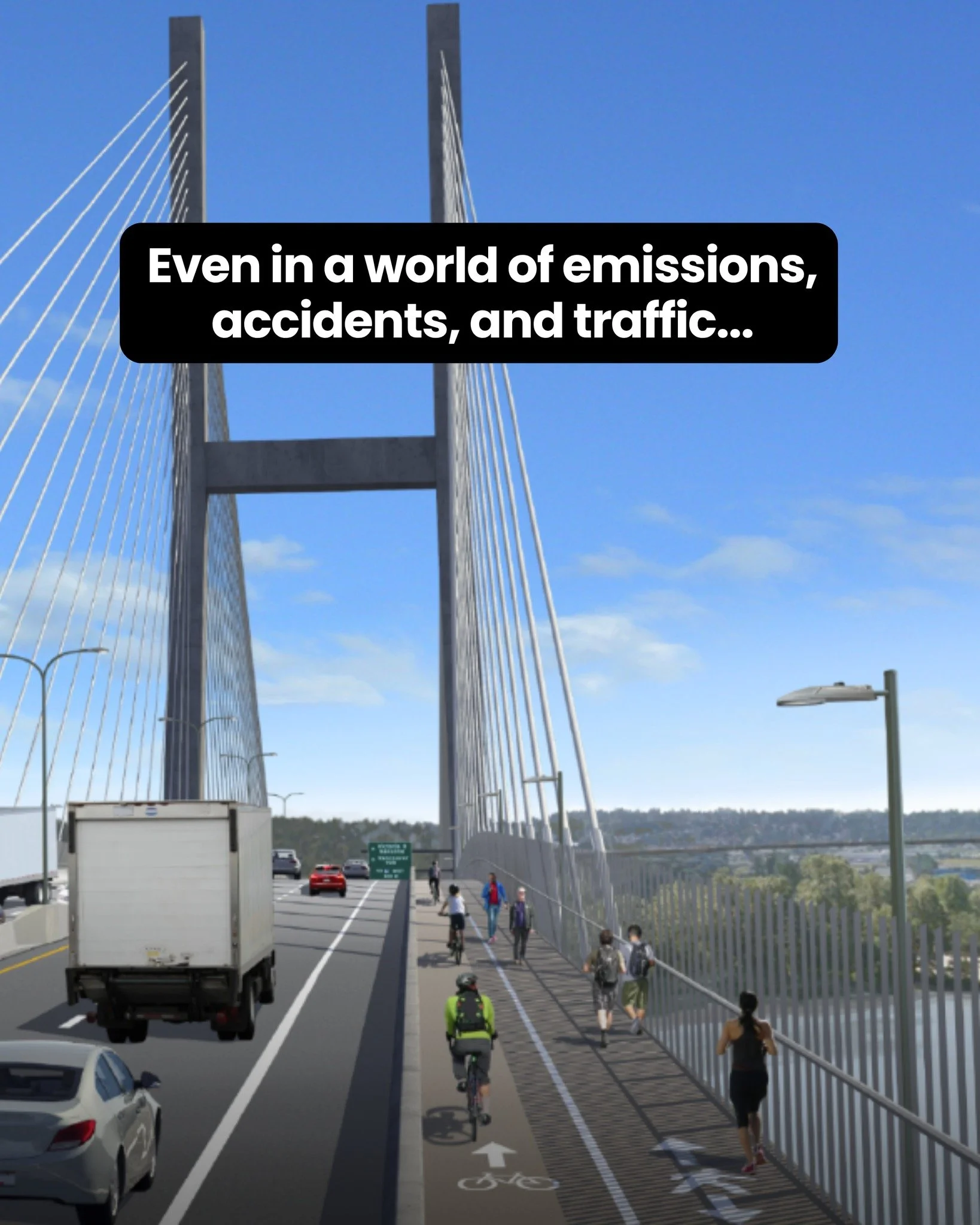
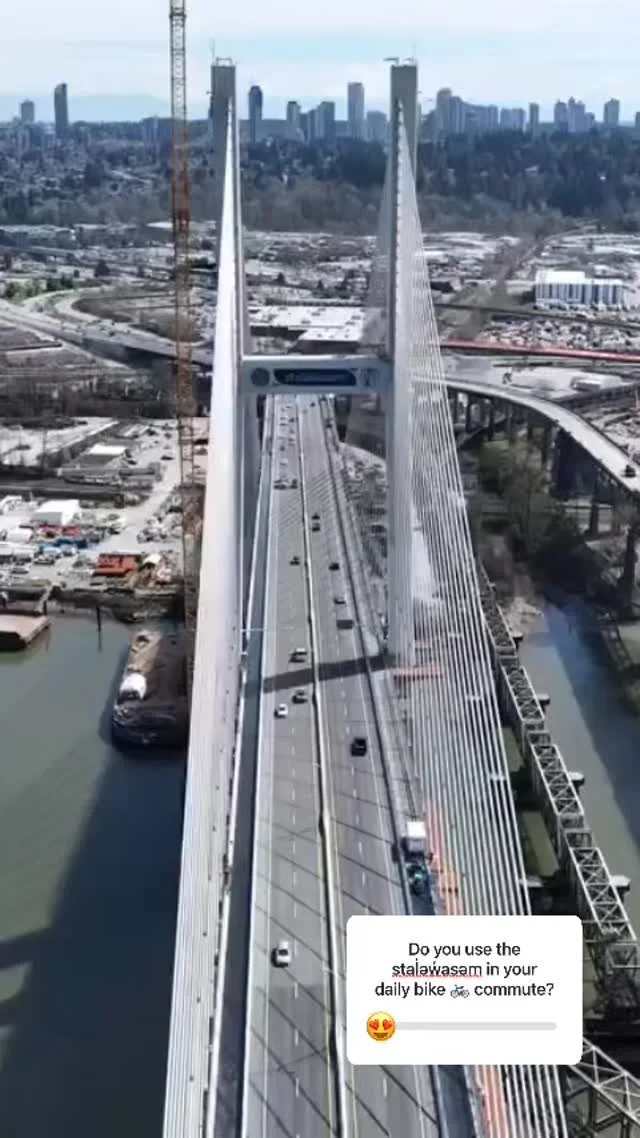
Metro Vancouver’s Pattullo Bridge will close forever on Feb. 18th, with the new stal̕əw̓asəm Bridge’s multi-use path inaccessible until May; the provincial government has agreed to provide rush hour shuttle bus service for cyclists.
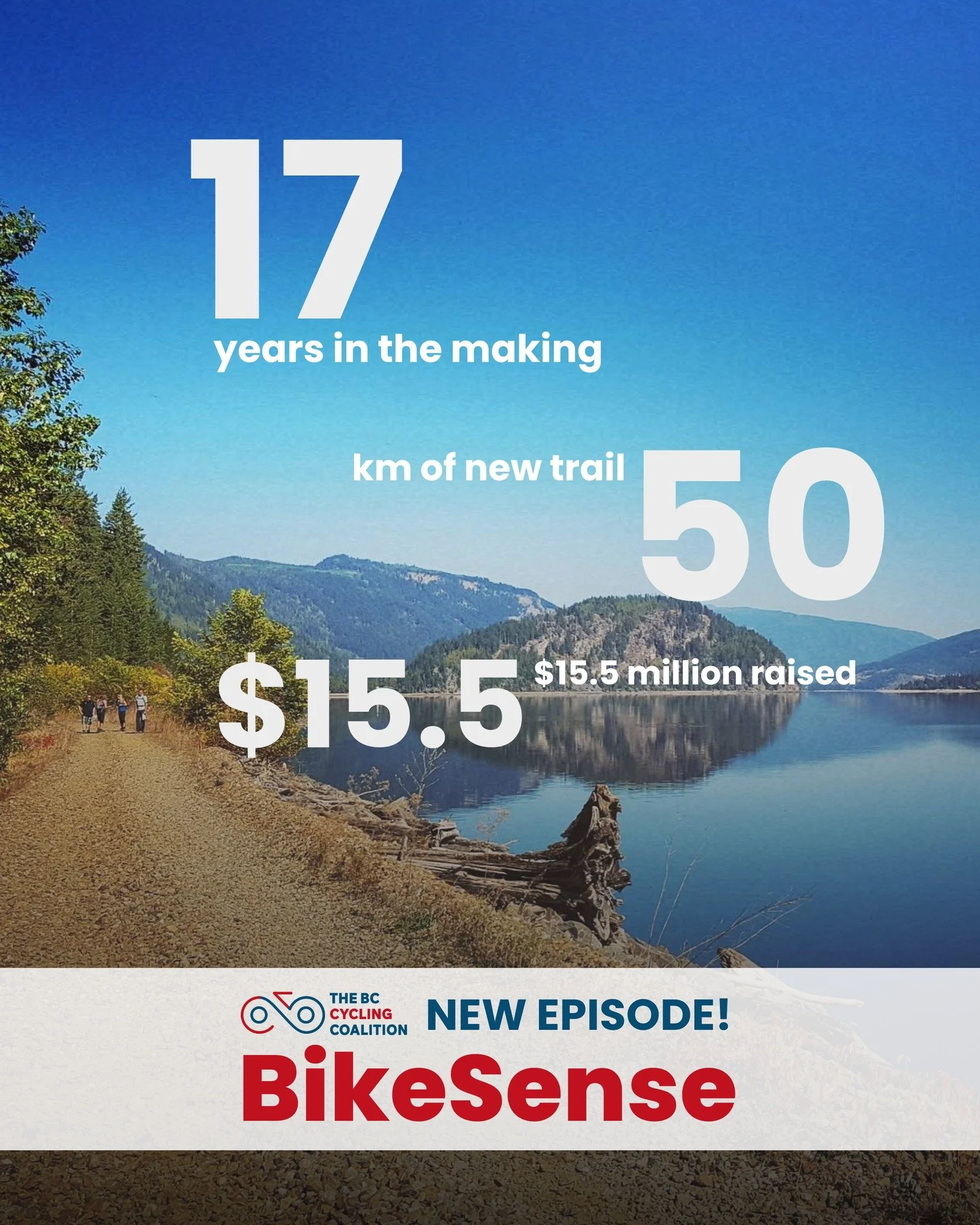
BC’s Ministry of Environment and Parks has announced they will permanently “deactivate” a 67-kilometre portion of the ‘KVR’, a popular multi-use trail supporting active transportation, recreation and tourism activity for the past four decades.
Follow us on Instagram:
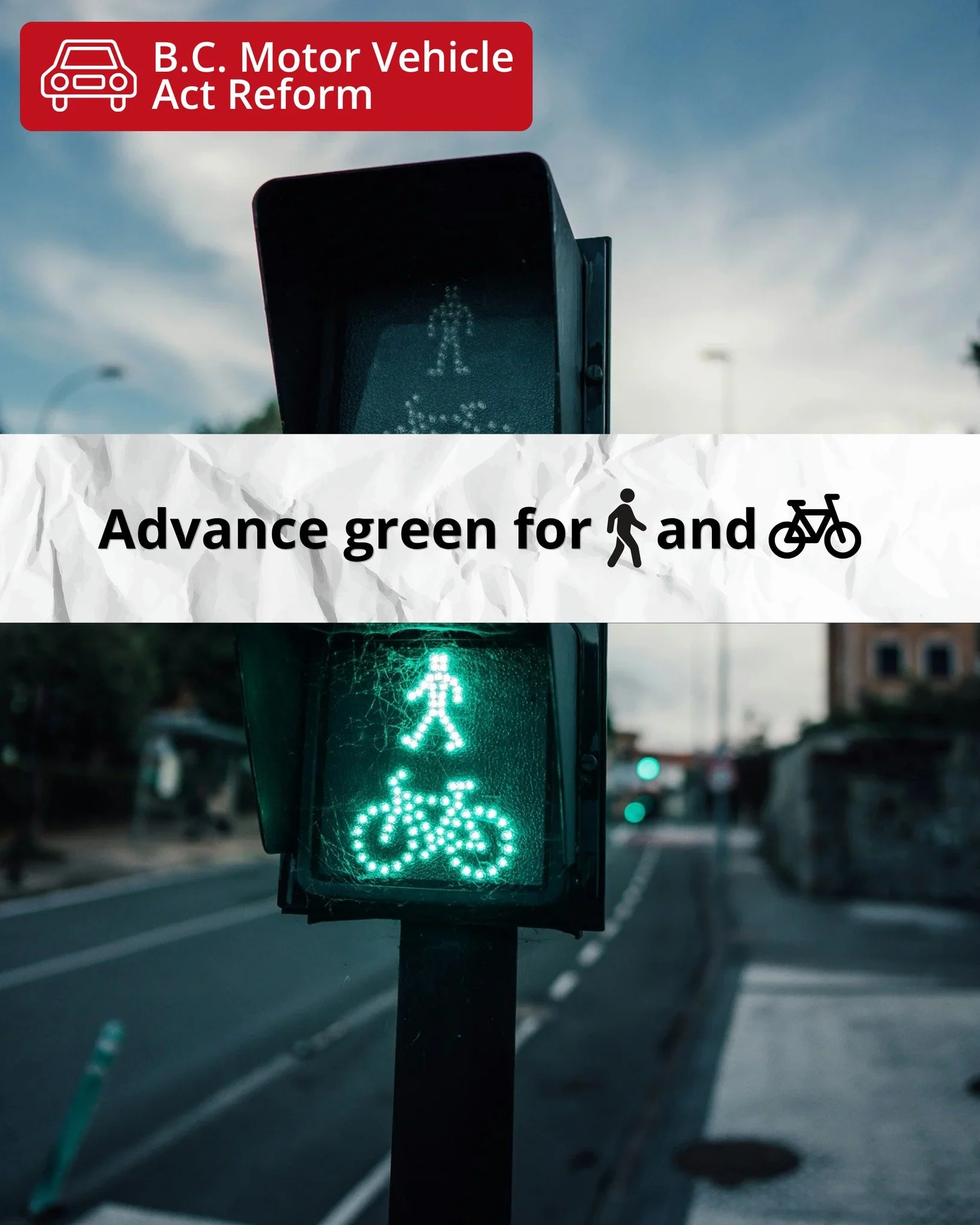
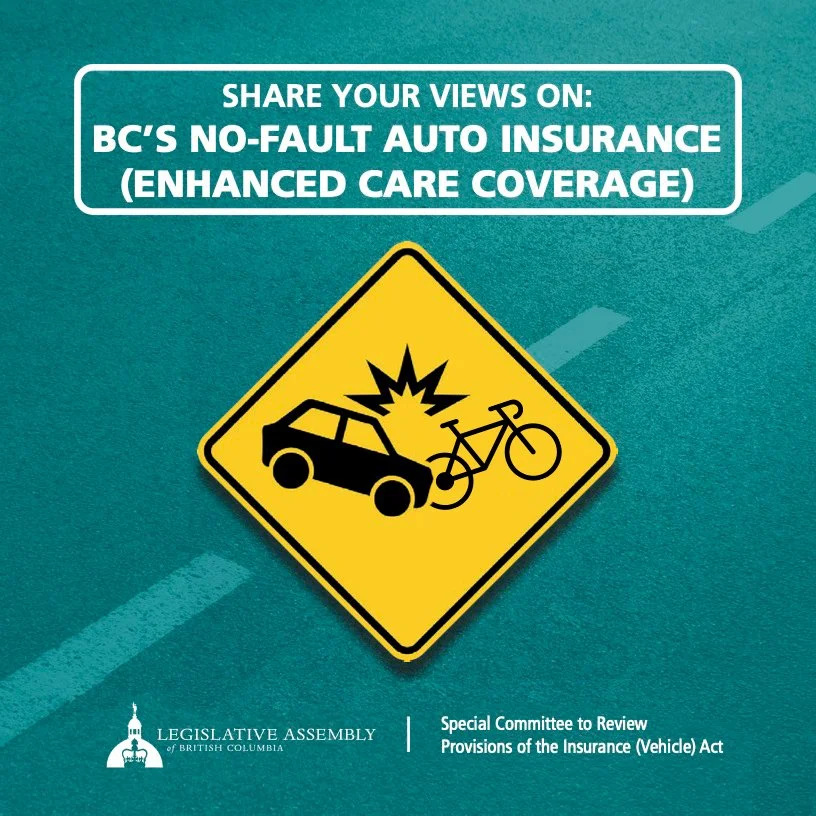
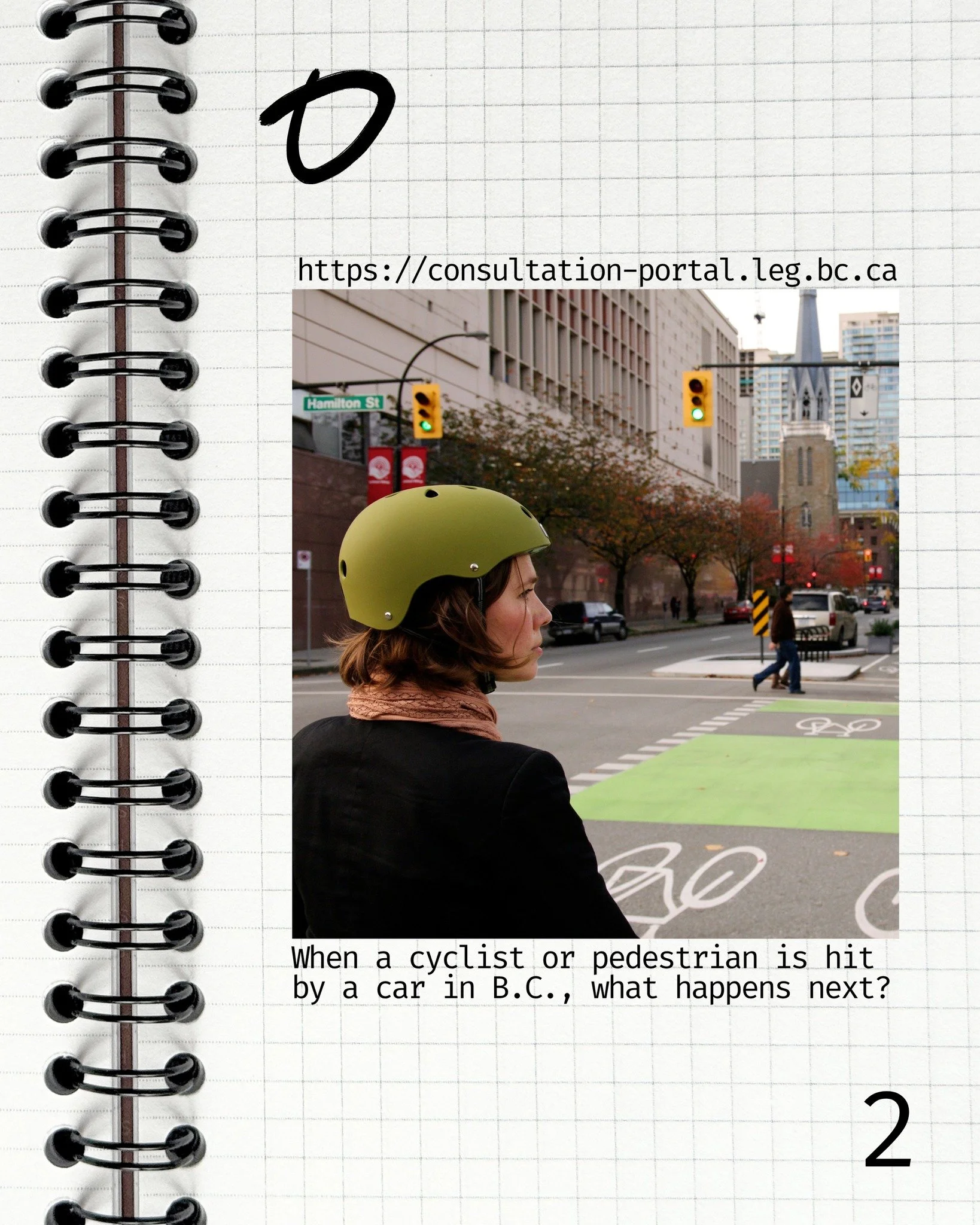
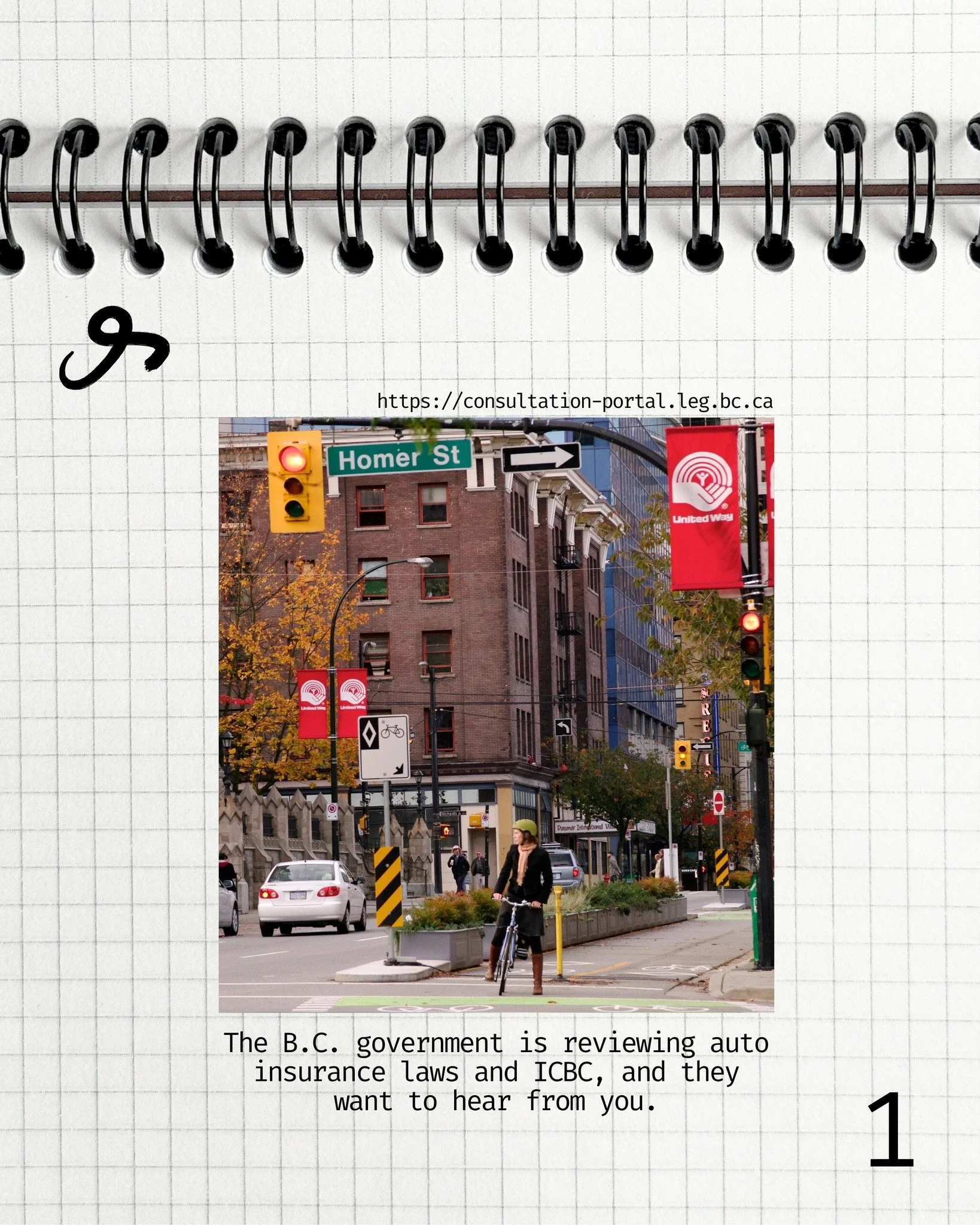
The most recent ICBC crash data available shows that despite recent road safety-related updates to B.C.’s Motor Vehicle Act, crashes that injure or kill cyclists have increased four times faster than population growth since 2021. For pedestrians, the casualty crash trends are even worse.