

Theatre
Welcome
Featuring Esquimalt Nation, City of Victoria, Zero Emissions Innovation Centre (ZEIC), Capital Bike and the BC Cycling Coalition.
Keynote Address
-
What a Kilometre Is Worth: Bikenomics, Street Design and the Bike-Train Connection
Matteo Jarre is a senior consultant on territorial analysis, policy impact assessments and strategy with Decisio, a Dutch consulting firm established in 1998 to provide programming, planning and policy evaluations from economic and social perspectives.
In this keynote address, Jarre builds the case that this analysis has a direct connection to action, or ‘bikenomics’. If every kilometre travelled carries a price tag—a kilometre driven is a cost to society, and a kilometre cycled or walked is a return/benefit— then bikenomics tells us what that kilometre is worth.
Street design then decides whether it actually gets ridden and, furthermore, the integration between bike and train can help decide how many kilometres are within reach at all.
But is this where the discussion loses application for a North American audience? Does the integration of active travel and rail networks mainly belong only in the European context?
Jarre will explain how it’s not just cities like Milan, Rome, and Bordeaux that have figured out what a kilometre is actually worth; in Melbourne, Australia, the case was made to measure the benefits after the lane was built rather than allowing forecasts to dictate policy.
In his address, Jarre will also speak to three objections familiar to British Columbians—cycling is expensive, cycling penalises normal people, cycling is a partisan topic—and the 3-step plan he, his colleagues and their clients have committed to regardless of the headwinds they face: count the benefit, design for it, and extend its reach.
-
Matteo Jarre works at Decisio as Director of the Italian office and senior consultant to public administrations globally on the topics of territorial analysis, policy impact assessments and strategy.
Engineer and data analyst, he combines a strong technical and statistical background with a passion for political and decision-making processes. He has a Ph.D. in Engineering and is taking a second M.Sc. in environmental political science. He has worked as a university researcher in Italy and abroad, as an environmental educator and was vice president of a private consulting firm in the energy field.
At Decisio he coordinates projects on active mobility, sustainable energy and bikenomics analyses. He has developed the social cost benefit analysis methodology for tens of cycling and mobility projects and is active in developing studies on the impacts of active mobility on society.
SOCIETY & CULTURE
Oak Bay Room
Why Every Neighbourhood Needs Pedestrian Streets
-
While many municipalities across BC have tested car-free spaces through plazas, events, and school streets, there is a growing need for guidance on how to scale them into connected, year-round networks. This session will explore how communities can move from pilot projects to permanent pedestrian spaces, with lessons on design, activations, and public/political buy-in, and clear, practical advice. The session will also highlight lessons learned from communities across BC, helping participants avoid common pitfalls and adapt proven approaches to their local context.
-
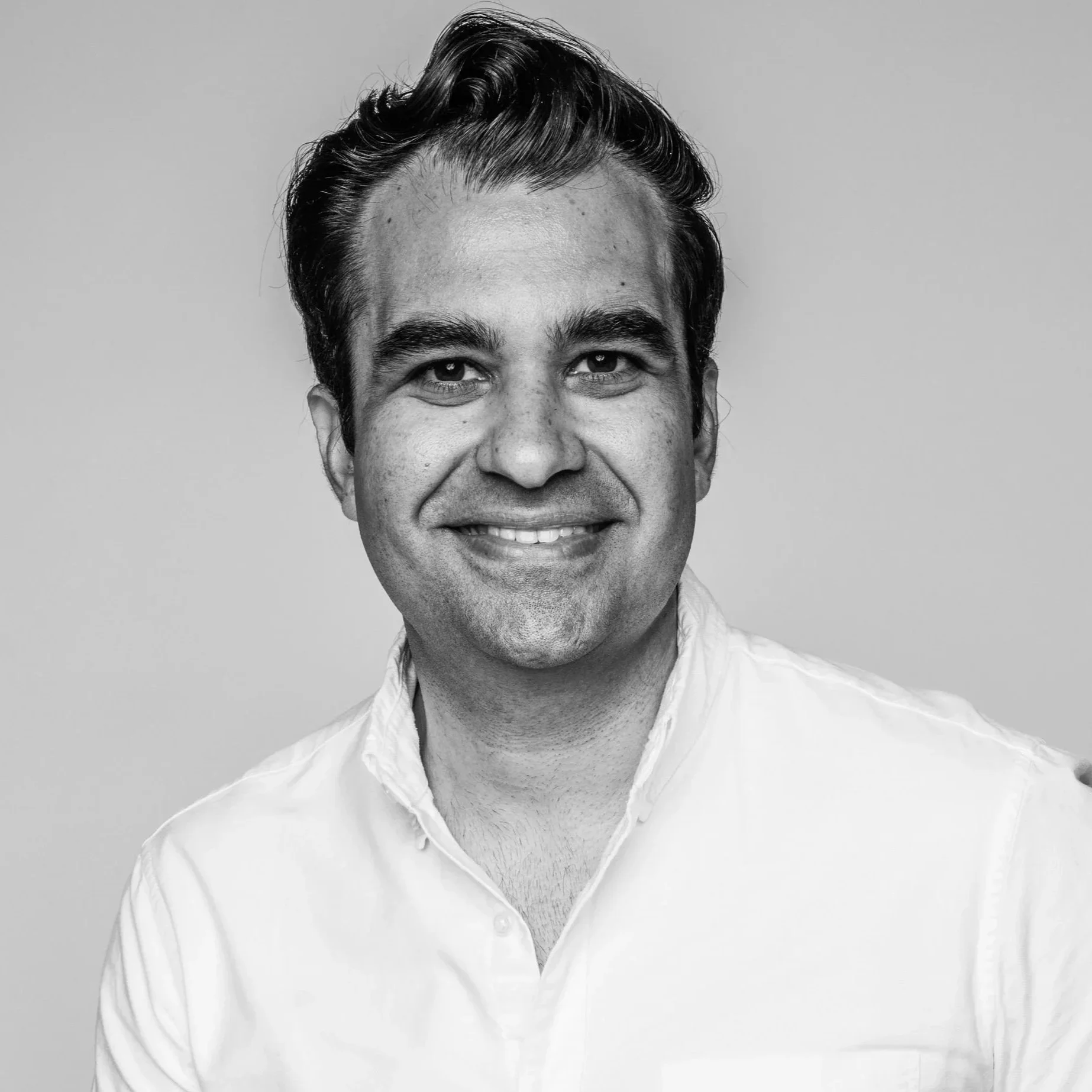
Kelly Clifton (UBC School for Regional & Community Planning)
Laura Jane (BEST Mobility)
Hugo Johnston (CMHC-Granville Island)
Ross Kenny (City of Victoria)
Sam Khany (City of Vancouver)
POLICY & STRATEGY
Esquimalt Room
'From Plan to Pavement’: Why AT Plans Stall and How to Fix Them
-
While many communities across BC have developed ambitious visions and comprehensive systems for safer, more inclusive, and better-connected networks, far fewer have translated into meaningful on-the-ground change. This session explores the growing gap between adopted plans and built infrastructure, and asks the critical question: what happens after Council adopts the plan? Through follow-up interviews with municipal staff and elected officials, we identify barriers to implementation, including funding constraints, political turnover, cost escalation, staff capacity limitations, and disconnect with capital programs, anchored by a case study from the Village of Belcarra, a small rural community with limited funding and minimal existing active transportation facilities. This session challenges practitioners to rethink what makes an ATNP successful: not the strength of its vision, but its ability to move from plan to pavement.
-
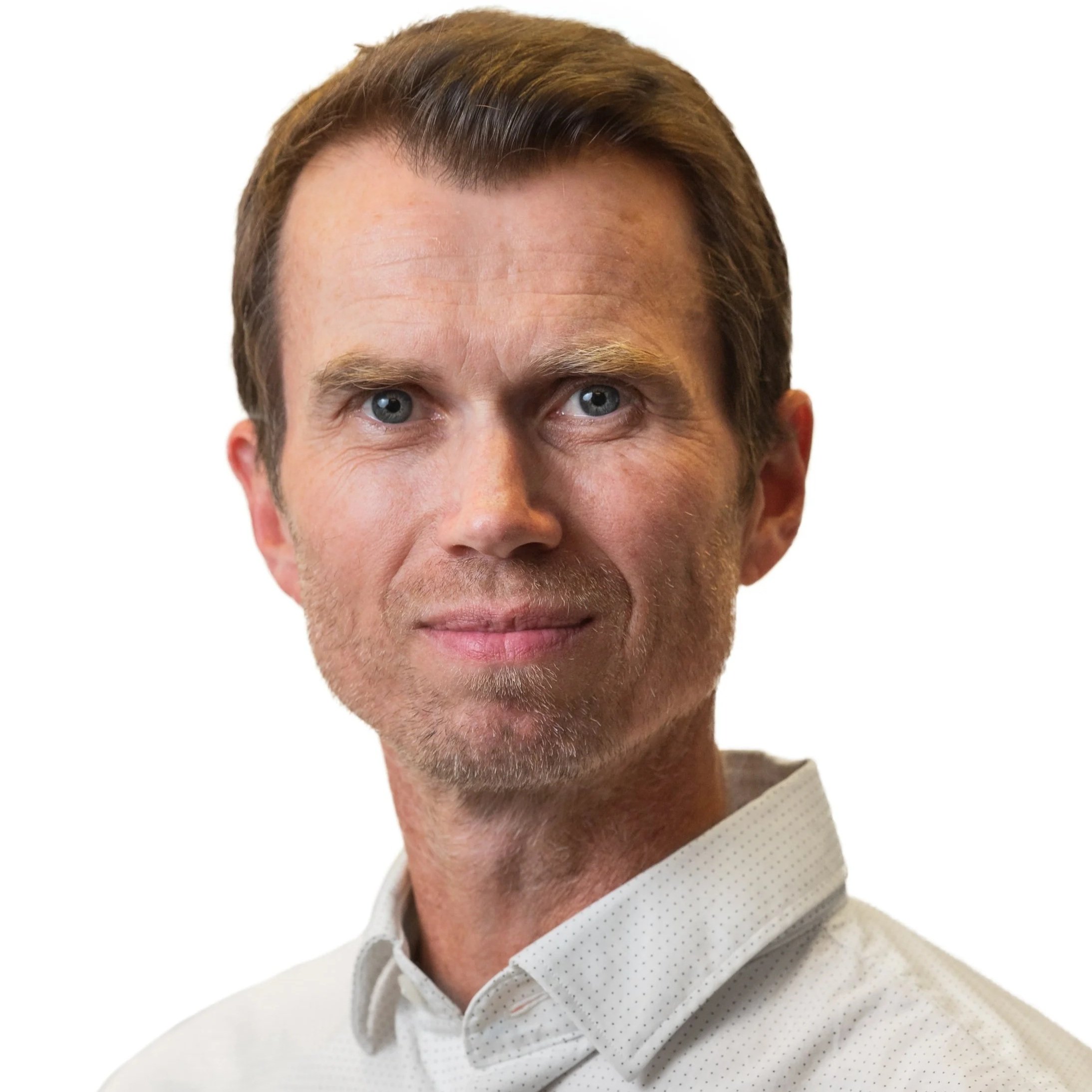
Jason Potter (Bunt & Associates)
Sophie Renard (Bunt & Associates)

DESIGN, SYSTEMS & NETWORK EFFECTS
Theatre
Let’s Get Comfy: Using Comfort to Plan For Cycling Infrastructure
-
For decades, the quality of cycling infrastructure has been categorized by the type of facility that defines it. However, the each type can deliver markedly different user experiences depending on how and where the infrastructure is implemented. Practitioners have turned to more nuanced classification approaches, based on human-centred factors such as exposure to motor vehicle volumes and speeds, as well as infrastructure width, surface, and level of separation from other road/ path users. The result? Infrastructure described using consistent language and classified by level of comfort. In this session, you'll learn about the new comfort-based facility selection tool in the updated BC Active Transportation Design Guide, as well as how SFU, TransLink, and HUB Cycling use a comfort-spectrum to classify and track cycling network progress at the local, regional, and national scales.
-
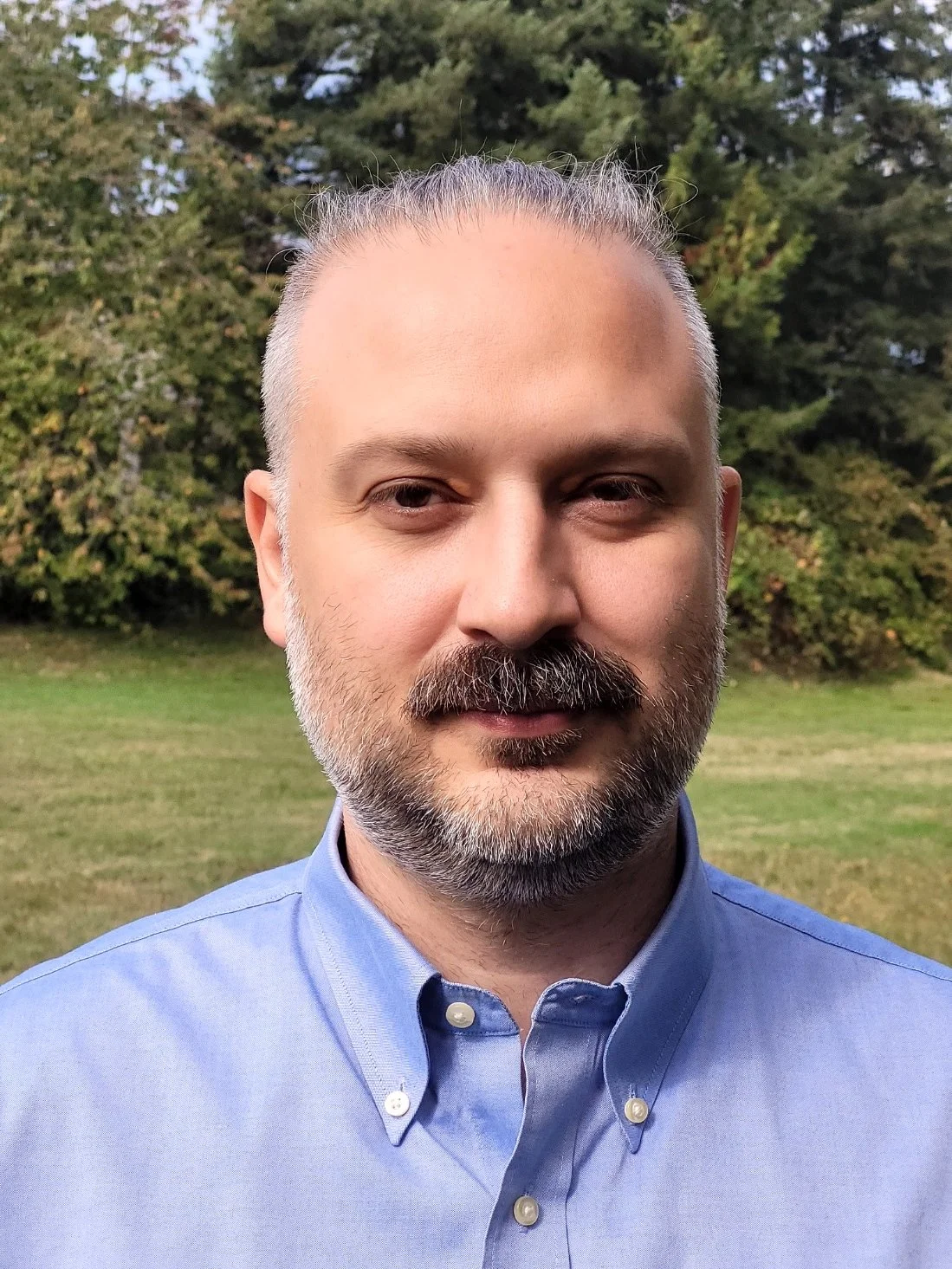
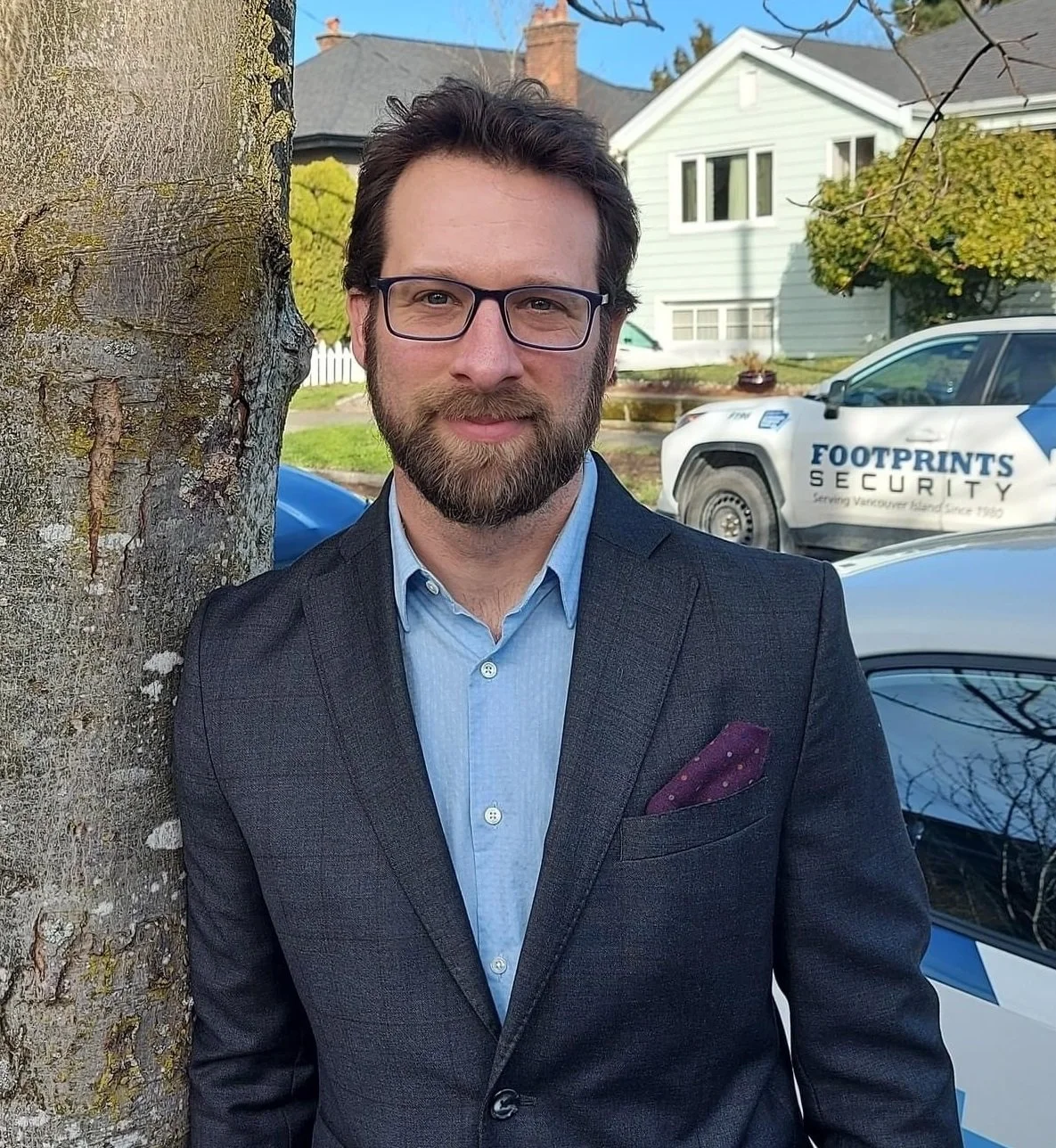
Tim Davidson
Adam Krupper (Ministry of Transportation and Transit)
Brian Patterson (Urban Systems)
Andrew Picard (TransLink)
Meghan Winters (CHATR Lab)

SOCIETY & CULTURE
Oak Bay Room
Who Keeps Our Roads Safe? Finding Common Ground Between Advocates and Government
-
The decisions that shape our streets often involve competing priorities, different lived experiences, and varying perspectives on what should happen next. Road safety is everyone's responsibility—but it sometimes feels like we're just passing the buck.
As TransLink and the Province develop new road safety strategies, this interactive session explores how governments and community advocates can work together to move from shared concern to meaningful action and accountability. Panelists will discuss emerging priorities, including better integration of collision and injury data, incentives, investments, and opportunities to improve driver education.
Through examples ranging from Indigenous communities seeking safer facilities to local advocacy efforts that have elevated road safety concerns in communities across British Columbia, the discussion will examine how evidence, lived experience, and community voices can influence decision-making.
This discussion will explore how governments, advocates, and communities can identify common ground, build partnerships, and take collective action toward realizing Vision Zero. The session is an invitation to move beyond traditional interest holder roles and silos and toward a collaborative and iterative approach.
-



POLICY & STRATEGY
Theatre
Audacious Planning: Catalyzing AT Improvements
-
Across British Columbia, communities are rethinking streets to create safer, more connected, and more equitable active transportation networks. Planners are taking audacious steps by reallocating road space, building protected cycling infrastructure, and embedding walking and cycling into broader climate, safety, and land-use strategies.
This panel brings together provincial, regional and local government staff who are pushing the boundaries of what is possible in their communities; together, their perspectives offer a candid look at the decisions, trade-offs, and leadership required to turn ambitious plans into reality.
Attendees will gain practical strategies for planning active transportation networks, advancing innovative solutions, leveraging funding, and using data to track success. Drawing from real-world examples across British Columbia, the session will demonstrate how bold ideas can be translated into implementable projects in both large urban centres and smaller communities. The discussion will highlight different forms of audacity, from reimagining constrained streets to policy-driven behaviour change, showing how bold planning adapts to context. By exploring approaches such as regional network building, pricing strategies, speed management, and performance monitoring, the panel will offer a well-rounded toolkit for advancing change.
-
Mo Bot (City of North Vancouver)
Dora Gunn (District of Squamish)
Rebecca Mayers (TransLink)
Oluwapelumi Ogeroju (Ministry of Transportation & Transit)


DESIGN, SYSTEMS & NETWORK EFFECTS
Esquimalt Room
Reconciliation You Can Bike On: How Tkʼemlúps & the Ministry Built a Safer Shuswap Road Together
-
This presentation showcases the process and lessons learned with how Tk’emlúps te Secwépemc (TteS), in partnership with the BC Ministry of Transportation and Transit, built a AAA multi-use pathway on Shuswap Road, a ministry right-of-way through reserve lands.
Completed in the Spring, this 940 metre-long, 3-metre-wide pathway provides a safer active transportation link between TteS’ Chief Louis Centre (including Secwépemc Museum and Heritage Park, Sk’elep School of Excellence, indigenous businesses) and homes in Sun Rivers and Sienna Ridge neighbourhoods. It supports mode shift, reduces emissions, and enhances regional recreation while strengthening transportation choices for local residents.
The pathway directly addresses long standing community safety concerns along Shuswap Road, a rural 70 km/h corridor with no shoulders that made walking and cycling difficult. The project was designed to meet the B.C. Active Transportation Design Guide and the MoTT Supplement to TAC standards without compromise, which required 26 metres of bicycle fencing, 355 metres of W beam traffic barrier, 4:1 slope clear zones, drainage improvements, and accessible asphalt surfacing with grades below 6%.
-
Komalpreet Kaur (Tk’emlúps te Secwépemc)
Ian Roth (Urban Systems)

Afternoon Plenary — Panel Discussion
Theatre
Beyond the Binary: Exploring the Future of Shared Transportation Corridors
-
Transportation corridors are places where diverse interests intersect—including Indigenous rights and title, transportation planning, active transportation, economic development, environmental stewardship, recreation, and community priorities.
Using Vancouver Island's Island Rail Corridor as a case study, this panel explores how collaborative governance, meaningful partnerships, and relationship-based planning can help navigate complex transportation decisions involving rights holders, governments, organizations, and communities. It will also explore how collaborative discussions can connect communities, enhance well-being, and shape a future for generations to come.
The discussion is an invitation for panelists to move beyond preferred solutions and polarized debates, and towards transportation planning approaches grounded in respect, reconciliation, and shared decision-making. Rather than asking, "What should happen to the Island Rail Corridor?", this discussion will explore how we make decisions together when there are many interests and perspectives
-
Thomas Bevan (Island Corridor Foundation)
Colleen Dupont (Esquimalt Nation)
Jaimy Fischer (University of Victoria)
David Slade (Friends of Rails to Trails Vancouver Island)
SOCIETY & CULTURE
Oak Bay Room
From Pilot to Permanence & The Arc of Change: Uptown Plaza, A Case Study
-
This panel discussion explores the evolution of a public plaza on Belmont Street in New Westminster’s Uptown Neighbourhood through a multi-disciplinary lens, demonstrating how public spaces respond to changing community needs, policy directions, and social challenges. Featuring voices from the City, the design team, and public engagement specialists, facilitated by an independent planner, the session will reflect on a decade of transformation to offer multiple perspectives.
This story reflects not only the lifecycle of a single space, but also broader lessons in placemaking, resilience, and the value of inclusive collaboration for diverse communities. Using Uptown Plaza as a case study, this session will demonstrate how integrating placemaking with broader walking and cycling improvements helps build community support, especially for complex projects. Success of active transportation projects may require going beyond mobility to focus on broader community value.
The session will cover quantitative and qualitative data analysis considered through Public Life Studies (PLS) on user experience and wellbeing, used to inform the design and transformation of the space, as well as highlight how cross-disciplinary collaboration and ongoing engagement can help navigate social challenges and sustain momentum.
-
Barry Fan (Urban Systems)
Yuval Fogelson (YF City)
Lacey Hirtle (City of New Westminster)
Mitchell Reardon (Happy Cities)

POLICY & STRATEGY
Esquimalt Room
Reconciliation in Motion: Indigenous Inclusion in AT Plans Across B.C.
-
Across BC, municipalities are expanding active transportation to support safer, more equitable mobility and climate goals; many are also adopting reconciliation frameworks to address systemic inequities experienced by Indigenous Peoples resulting from colonial planning and policy. Because mobility enables access to opportunities across all sectors, reliable multimodal transportation options are a critical throughline for addressing broader inequities and advancing reconciliation. Indigenous communities in BC are likewise investing in AT to address disproportionate safety risks, documented gaps in walking and cycling infrastructure, and to advance mobility equity and climate action. Yet how reconciliation commitments are documented in municipal and regional AT plans remains underexplored.
This session reports on an environmental scan of 40+ publicly available municipal, regional, and provincial AT plans published between 2012 and 2025. A review framework grounded in reconciliation principles will be used to explore how Indigenous Peoples are referenced, how inclusion is framed, and what commitments are embedded in AT policy. Recognizing the complex and shifting political landscape in the province, this session creates space for shared learning and dialogue, inviting participants’ insights and ideas for advancing reconciliation in planning and practice.
-
Aman Chandi (Movement)
Jaimy Fischer (University of Victoria)
DESIGN, SYSTEMS & NETWORK EFFECTS
Theatre
How Victoria Reached 44% Walk & Bike Mode Share
-
With its strong foundation of extensive regional trails and a dense urban core, Victoria is considered the ‘Cycling Capital of Canada’. But it wasn’t until the City started building a connected network of All Ages and Abilities (AAA) bike lanes that cycling mode share cracked 10%. With 25km of AAA infrastructure and pedestrian improvements installed from 2017-2022, the City’s active transportation mode share hit 44% in 2022, up from 38% in 2017.
While Victoria’s cycling network gets much of the credit, other initiatives and policy changes have made considerable positive impact on Victoria’s streets, including a traffic calming program consisting of over 180 speed humps and 70 traffic calming curbs, local street speed limits of 30 km/h (with arterials and collectors reduced to 40km/h), an ongoing program of improved bike parking, and the recent introduction of a city-wide bike share program.
Victoria’s updated OCP calls for a 54% active transportation mode share by 2038, and Victoria has learned that a city-wide approach is required to reach equity goals and significantly increase mode share. While Victoria could sit back and rest on its strong active transportation foundations, this presentation explores how the city continues to build on these foundations with a comprehensive, ongoing approach to AT mode shift.
-
Stephanie Williams (City of Victoria)

SOCIETY & CULTURE
Theatre
From Modes to Moments: Designing Mobility for Real Life
-
Mobility conversations often fall into binaries: active transportation vs. cars, infrastructure vs. behaviour, ideal systems vs. messy reality. At the same time, motornormativity continues to shape our default choices—meaning that even as we invest heavily in active transportation and transit, many people still revert to car ownership when the system doesn’t meet their real-life needs.
This keynote explores the gap between how we design mobility systems and how people actually live. A student who bikes daily but wants to explore the outdoors on weekends. A family navigating multiple drop-offs across the city. Someone moving furniture. Or someone who simply cannot rely on a bike. These “in-between moments” are where current systems break—and where private car ownership quietly wins.
What if, instead, we designed mobility hubs in every neighbourhood—integrating carshare, bike share, and transit into one seamless system? Drawing on examples including the Sən̓áḵw development in Vancouver, this talk explores how shared, electric, and multimodal hubs can extend the reach of active transportation while reducing reliance on private vehicles.
The opportunity is not to choose between modes—but to design systems that work across them.
-
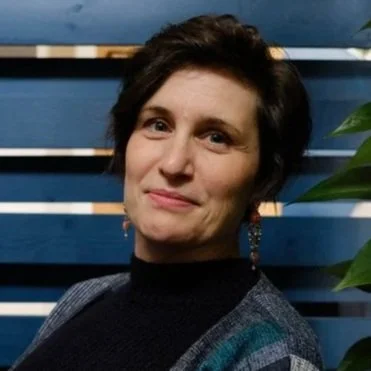
Sandra Phillips (Modo)
POLICY & STRATEGY
Esquimalt Room
Translating Dutch AT Principles to the BC Context
-
Dutch approaches to reimagine and transform streets into more inclusive, livable cities with protected infrastructure for active transportation continue to influence communities around the world. This session will explore how Dutch-inspired transportation planning principles can support safe, affordable, and independent access to mobility in Western Canada.
Early BC adopters of Dutch principles include Vancouver building the first protected intersection at Burrard and Cornwall, Victoria delivering a thorough downtown network plan, and Nanaimo implementing continuous crossings on Metal Drive. The last fifteen years have marked a period of accelerated implementation, as local governments drew inspiration from Dutch cities and, in some cases, collaborated with Dutch firms.
Rather than presenting Dutch practice as a model to replicate directly, this session will focus on how its underlying principles can be thoughtfully applied to local conditions in communities across Western Canada. Participants will explore where Dutch approaches translate well, where adaptation is needed, and how these ideas can support local goals related to safety, mode shift, accessibility, and community livability.
-
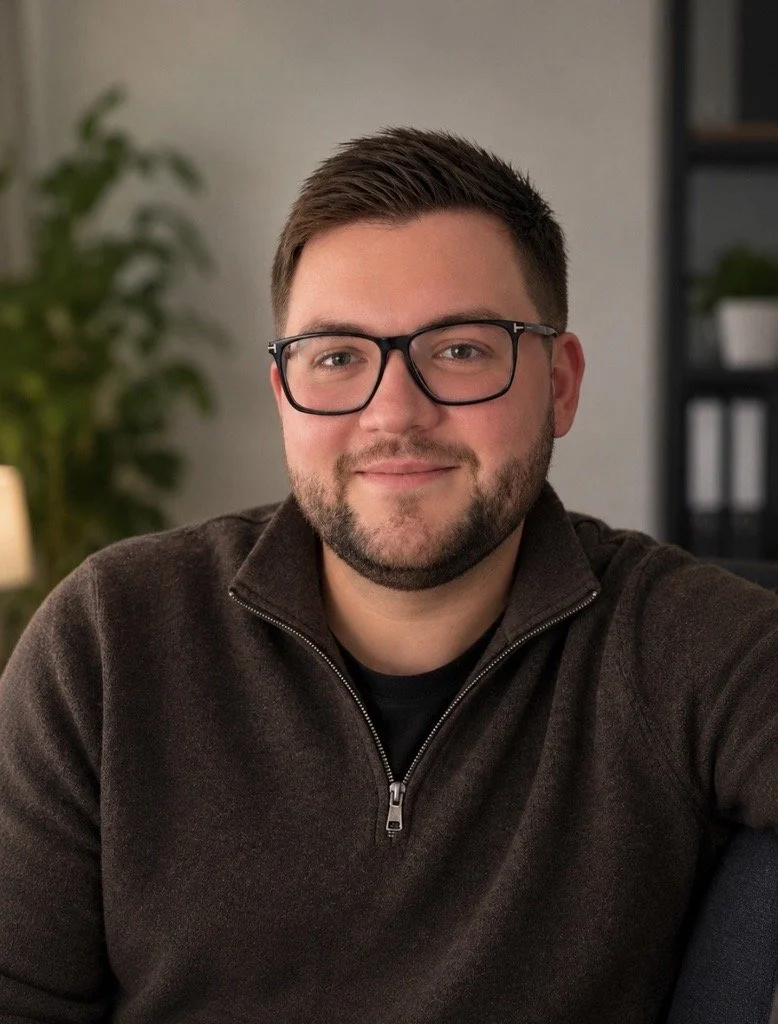
Samir Ajanovic, Kathleen Corey (Arcardis)

DESIGN, SYSTEMS & NETWORK EFFECTS
Oak Bay Room
Active Travel Network Data — A Panel Discussion
-
-
Nick Armstrong (City of Victoria)
Rory Buckman City of Vancouver)
Jamie Rose (City of Nanaimo)
Meghan Winters (CHATR Lab)
SOCIETY & CULTURE
Oak Bay Room
Making Connections for Cycle Tourism in BC
-
Cycle tourism is one of the fastest-growing segments of outdoor recreation globally — and British Columbia is well positioned to lead.
This session explores BC-focused cycle tourism collaborations first presented at the 2025 Active Transportation Summit in Kimberley. The presenters will share why cycle tourism matters to BC’s climate, health and economic goals, and how closing key “broken connections” in our trail and road networks can transform strong local infrastructure into connected, multi-day visitor experiences.
Drawing on global models such as New Zealand and Europe, alongside BC successes like the Okanagan Rail Trail, the presenters will outline practical approaches to developing a provincial network of connected routes, highlight partnership models, mapping tools and on-the-ground examples that show how communities can move from existing assets to a cohesive, market-ready cycle tourism network. Attendees will gain an understanding of how cycle tourism can advance active transportation goals while delivering economic, health and climate benefits, and leave with practical tools and approaches to identify and close “broken connections” in their own communities, helping transform existing infrastructure into usable, connected networks. This session will also help inform local, regional and provincial government staff, planners and advocates move from isolated infrastructure to connected, market-ready experiences.
-
Colleen Macdonald (Let's Go Biking, BC Cycling Coalition)
Heather Piwowar (BC Cycle Tourism Society)
POLICY & STRATEGY
Theatre
Neighbourhood Streets, Big Connections
-
Neighbourhood bikeways are often overlooked in favour of more visible, infrastructure heavy investments such as protected bicycle lanes. Yet they play an important role in building complete cycling networks by providing comfortable routes on lower traffic streets, helping to fill gaps, and connecting higher order facilities. In addition to supporting cycling, neighbourhood bikeways can deliver broader community benefits such as traffic calming, reduced vehicle speeds, and improved neighbourhood livability.
This presentation explores the role neighbourhood bikeways play within a broader all ages and abilities cycling network and how they can be thoughtfully planned as part of a comprehensive system. Drawing on Saanich’s Neighbourhood Bikeways Identification and Prioritization project, the session will outline the approach used to identify neighbourhood bikeways and establish clear, transparent priorities for implementation.
Participants will be guided through the project journey, from early brainstorming and community engagement, to feedback review, framework refinement, analysis, and final prioritization. The presentation will highlight key themes raised through engagement and explain how public input informed changes to the final approach.
Attendees will gain practical insights on how to roll out neighbourhood bikeway networks or identifying opportunities for individual routes, along with a deeper understanding of how low speed, low volume streets can strengthen the active transportation network.
-
Kathleen Gallagher (District of Saanich)
Troy McKay (District of Saanich)

DESIGN, SYSTEMS & NETWORK EFFECTS
Esquimalt Room
Galloping Goose Pedestrian Bridge
-
Before the City of Colwood completed the Galloping Goose Pedestrian Bridge over the Island Highway, Galloping Goose Trail users would have to detour 500 m off the trail, head to a busy intersection, cross six lanes (turning lanes included) and detour back to the trail.
Those days are over! The Galloping Goose Trail, a regionally significant active transportation corridor, now has a new active transportation bridge with maximum 5% approach grades that removes vehicle and wayfinding conflicts allowing people of all skills to safely cross over the Island Highway.
This presentation will showcase the value of linking pre-existing trails for the safer use of the community, and illustrate the benefits of municipally-led implementation of regionally significant infrastructure, as well as the value for money received through the design-build contracting approach.
-
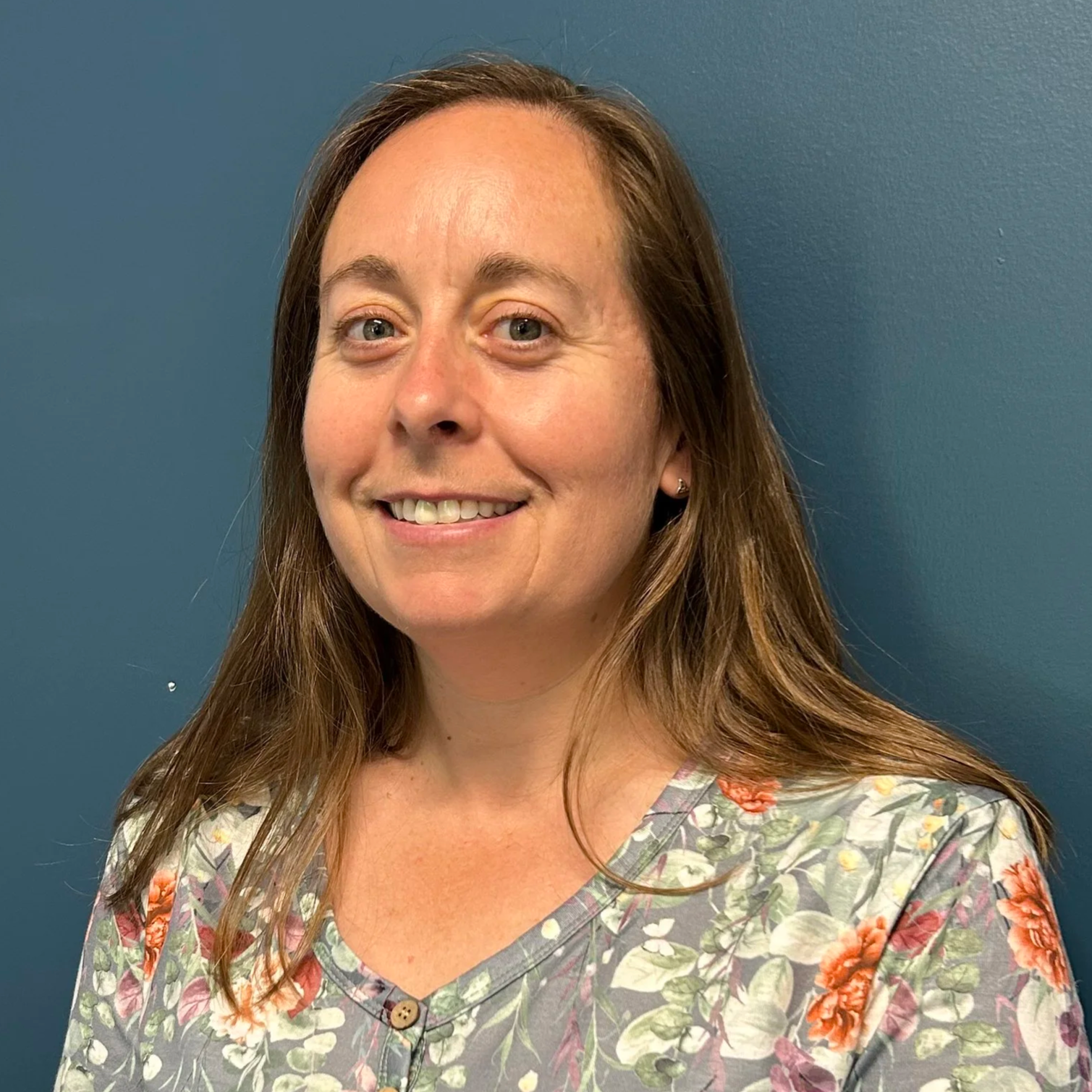
Ricardo Araya (McElhanney)
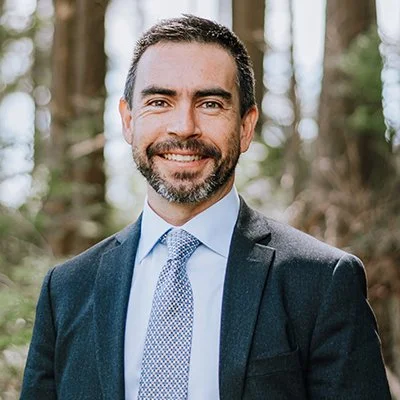
Matteo works at Decisio as Director of the Italian office and senior consultant to public administrations globally on the topics of territorial analysis, policy impact assessments and strategy. Engineer and data analyst, he combines a strong technical and statistical background with a passion for political and decision-making processes. He has a Ph.D. in Engineering and is taking a second M.Sc. in environmental political science. He has worked as a university researcher in Italy and abroad, as an environmental educator and was vice president of a private consulting firm in the energy field. In Decisio he coordinates projects on active mobility, sustainable energy and bikenomics analyses. He has developed the social cost benefit analysis methodology for tens of cycling and mobility projects and is active in developing studies on the impacts of active mobility on society.