

Theatre
Host Remarks
Featuring Ian MacKichan of Capital Bike (local host partner) and Colin Stein of the BC Cycling Coalition (host/organizer).
Keynote Address
-
-
Adam Olsen (SȾHENEP) was elected as the Member of the Legislative Assembly for Saanich North and the Islands and member of the B.C. Green Caucus in 2017 and re-elected in 2020.
Adam has a deep love and respect for his home in the W̱SÁNEĆ territory. As an advocate and facilitator, he is committed to good relationships and improving public participation to strengthen all aspects of the community.
His 16-year career in elected public service began when he was elected Councillor in the District of Central Saanich (2008, 2011). Prior to that Adam worked for two decades in the service and communications sectors where he gained valuable experience in building relationships, connecting people, problems, ideas and solutions.
Born in Victoria, BC, Adam has lived, worked and played his entire life on the Saanich Peninsula. He is a member of Tsartlip First Nation (W̱JOȽEȽP), where he and his wife, Emily, are raising their two children, Silas and Ella.
SOCIETY & CULTURE
Oak Bay Room
The CRD’s Galloping Goose Regional Trail: History, Lessons Learned and Successes
-
The Galloping Goose Regional Trail is a highly successful, well-managed and maintained rail trail in the Capital Region, which combines with the Lochside Trail for 84km of fully protected infrastructure for pedestrians and cyclists.
The story of how ‘The Goose’ came about in the 1990s is one of successful advocacy, building public awareness and support and political cooperation and coordination at local, regional and provincial levels of government.
The panel features representatives from different levels of government and community organizations involved in its construction from the beginning. The panelists will discuss the main active transportation objectives, milestones and accomplishments and the trail’s relationship to the ongoing development of active transportation policies and networks in Victoria, Saanich and the Capital Region.
The creation and development of this rail trail is a useful case study for similar existing opportunities around the province and on Vancouver Island. The design, ownership and management and maintenance arrangements have been very successful and could also serve as models for other rail trails.
-
POLICY & STRATEGY
Theatre
Retrofitting Suburbia: Coquitlam’s Path to Award-Winning Complete Streets
-
How does a growing suburban city turn a vision for safe, accessible and connected active transportation into a network that works for people of all ages and abilities? This session traces Coquitlam’s journey to implementing its active transportation network including:
early projects where engagement challenges reshaped the City’s approach to project delivery;
the development of a Core Micromobility Network and a Project Implementation Process to gain Council support;
the design guidelines and phases that laid the groundwork for the Guildford Way Transportation Improvement Project; and
having Guildford recognized as North America’s top Complete Street in 2026 by the Institute of Transportation Engineers.
Presenters from the City of Coquitlam and ISL Engineering will discuss the network development, design philosophy and project process that together enabled significantly improved road safety outcomes, highlighted by a 99.4% reduction in critical and high-risk conflicts.
The session will conclude with a screening of “Don’t Give Up at the Intersection”, a video feature highlighting the corridor’s design and the story behind its transformation.
-
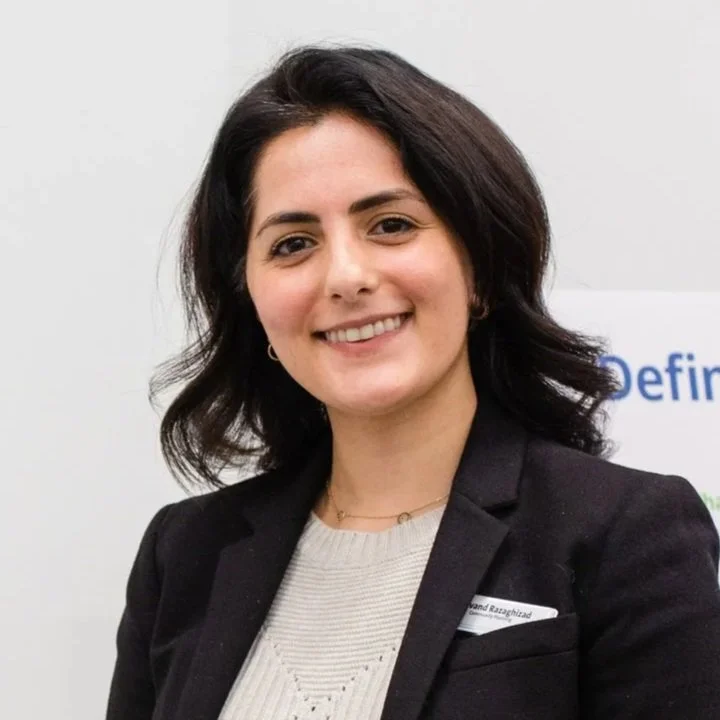
Payvand Razaghizad (City of Coquitlam)
DESIGN, SYSTEMS & NETWORK EFFECTS
Esquimalt Room
Shared Paths, Shared Challenges: An Interactive Workshop on Bike–Pedestrian Separation
-
This interactive workshop immerses participants in the practical realities of designing shared active transportation corridors. Through a facilitated roleplay activity, attendees will work in small groups to develop strategies for separating pedestrians and cyclists along a fictional but realistic corridor with transitions between Mixed Use Paths and separated paths. Each group must balance a fixed budget, evolving design guidance, diverse and sometimes competing user needs, and long-term operations and maintenance considerations.
The session highlights the complexity of decision making within constrained environments and encourages collaborative problem solving. Participants gain firsthand experience navigating tradeoffs that shape safe and inclusive multiuse pathway design, while deepening their understanding of best practices emerging across BC and beyond.
-
Genevieve Tokgoz (Capital Regional District)
Amir Hassanpour (Capital Regional District)
SOCIETY & CULTURE
Theatre
Aging & Active Transportation in BC
-
A panel discussion exploring the intersection of aging and active transportation in British Columbia, with a diverse group of panelists, including community organizations, advocates, and older adults with lived experience.
The panel will highlight emerging trends in how older adults engage with active transportation, and examine the critical role AT plays in supporting physical health, mental well-being, social connectedness, recreation and independence as people age. Drawing from research, on-the-ground programming, and provincial advocacy efforts, panelists will share key insights from their work with older adults across BC.
Through real-world examples—including initiatives led by organizations such as BEST and Vancouver Cycling Without Age—the discussion will showcase successful models and measurable impacts. The session will also explore persistent barriers to adoption, including infrastructure, safety, and accessibility challenges, while identifying opportunities to create more age-friendly, inclusive active transportation systems. Attendees will leave with practical insights, inspiring stories, and a deeper understanding of how to better support aging populations through active transportation.
-
Alison Chamberlain (District of Saanich)
Lisa Corriveau (HUB Cycling)
Dr. Douglas Jones (CARP)
Farinaz Rikhtehgaran (BEST Mobility)
Jake Winn (Cycling Without Age)

POLICY & STRATEGY
Esquimalt Room
Seeing it in Action: How Residential Developments Can Shape Transportation Hubs Supporting Shared Mobility and Cargo Bike Integration
Session & Tour
-
Successful transportation hubs are created when policy, development, active transportation infrastructure, and shared mobility services work together. Attendees will experience electric shared mobility integration firsthand through a guided site visit of the Kindred development, which has successfully implemented electric carsharing and incorporated innovative cargo bike parking facilities designed to support young families.
Key learning outcomes:
How Transportation Demand Management (TDM) policies influence development outcomes
How cargo bike parking can be successfully integrated into residential developments
How shared mobility services can complement active transportation infrastructure
How developers can create transportation hubs that reduce private vehicle dependence
Following a 15-minute introduction and project overview, attendees will depart the Victoria Conference Centre, taking a short (approx. 15-min) bus ride to a recently completed multi-unit residential development in Vic West. There, Julian West of Urban Thrive will provide a tour of the 633 Belton Ave development, showcasing how electric carsharing and cargo bike parking were successfully integrated into the project. Participants will learn about the rationale behind the development, key design decisions from the developer's perspective, resident adoption rates, and lessons learned throughout the process.
-
Destination: 833 Belton Ave
DESIGN, SYSTEMS & NETWORK EFFECTS
Oak Bay Room
Engagement Improves Accessibility: Inclusive Design for a Floating Island Bus Stop in New Westminster
-
This presentation examines how people with lived experience informed the design of a floating island bus stop adjacent to a major aquatic centre in New Westminster.
In addition to a review of current best practice guidelines, including the BC Active Transportation Design Guide and TransLink’s guidance for bus stops adjacent to cycling infrastructure, the project prioritized engagement with the Canadian National Institute for the Blind (CNIB), the Rick Hansen Foundation, and orientation and mobility specialists, whose expertise and lived experience provided critical information about real-world barriers.
The presentation will detail the engagement methodology, the feedback received, and the resulting design modifications. It will also reflect on the broader implications for inclusive infrastructure planning, including the need for ongoing dialogue with user groups and the willingness to adapt standard practices in response to lived experience.
Attendees will gain understanding into the complexities of balancing competing accessibility needs, the value of direct engagement with people with expertise and lived experience, and the practical steps required to translate feedback into meaningful design improvements. The session will conclude with recommendations for fostering innovation and inclusivity in future floating island bus stop projects, emphasizing that the most effective solutions emerge from collaboration with those who use and depend on our public infrastructure.
See CNIB’s online resource for an accessible built environment ‘Clearing Our Path’.
-
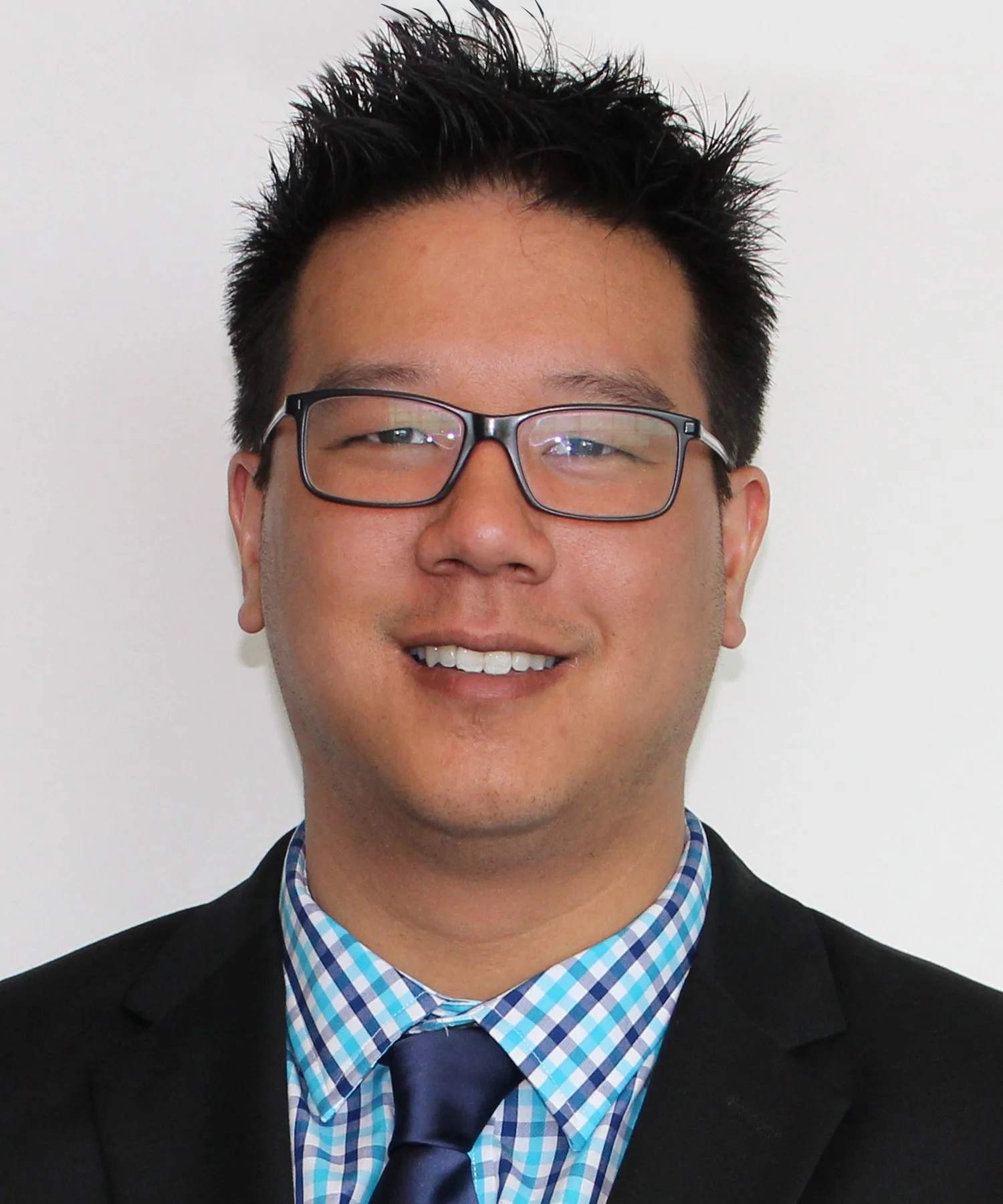
Lacey Hirtle (City of New Westminster)
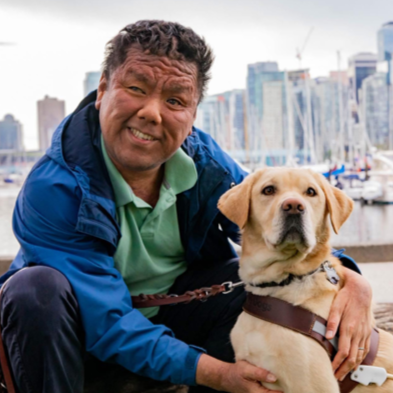
Tommy Leung (CNIB)
Grant Ngieng (ISL Engineering & Land Services)

SOCIETY & CULTURE
Oak Bay Room
Wheelchairs and Mobility Scooters on Bike & Roll Routes: Why You Should Welcome and Plan for Them
-
Welcoming wheelchair and mobility scooter users to bike and roll routes can support the development of a broader, more diverse base of supporters for improved bike and roll routes, and yet from both a transportation and social planning perspective, this segment of the population is often overlooked.
The Council of Senior Citizens’ Organizations of BC has been advocating for this province-wide; at the 2026 UBCM Conference, delegates endorsed a resolution calling on the Province to allow wheelchairs and three and four-wheeled mobility scooters on bike routes.
Having seniors and people with disabilities advocating for better bike and roll infrastructure can also puncture the misleading narrative used by those who weaponize disability when opposing cycling investments.
This presentation addresses an important barrier to advancing active transportation in BC by exploring the counter arguments against funding and making space for bike and roll routes, and how to build and broaden the movement supporting the removal of a barrier to affordable and convenient mobility for an equity-deserving group – people with disabilities.
-
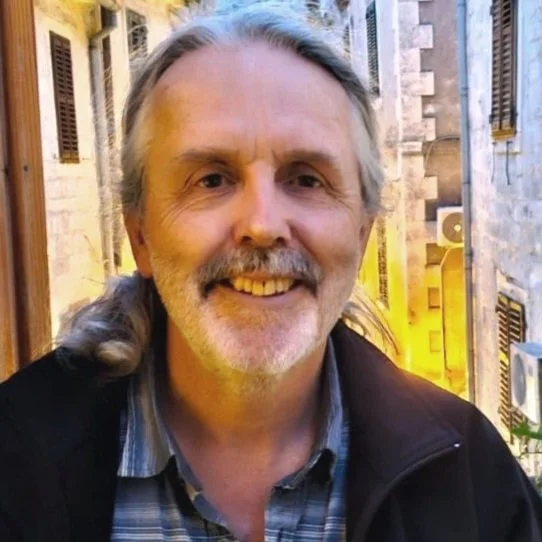
Eric Doherty (EcoPath Planning)
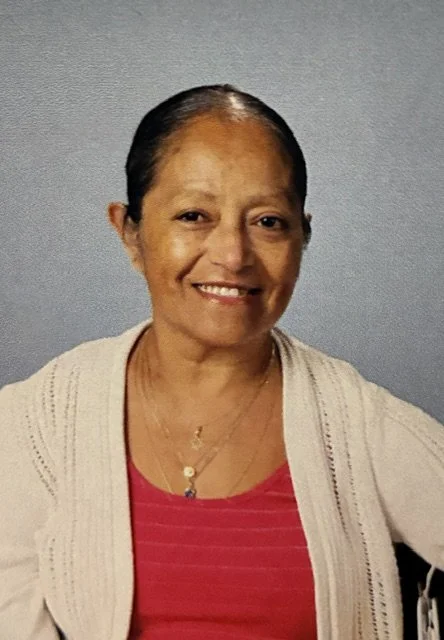
Sandra Hough (Victoria Accessibility Advisory Committee)
POLICY & STRATEGY
Esquimalt Room
Building a Connected Cycle Tourism Eco-System
-
Through the Tourism Corridor Strategy Program (TCSP), Destination Canada helps communities, provinces and territories plan and grow resilient, inclusive and regenerative tourism economies from coast to coast through several investment pillars. This workshop will focus on one such pillar – Cycle Tourism.
The Juan de Fuca Bioregion Tourism project is a vision for bringing people, places and industries together to support the development of the first tourism initiative linking regions across an international border - Vancouver Island in British Columbia and Washington’s Olympic Peninsula in the U.S.
The Juan de Fuca Bioregion Corridor is a collection of coastal towns and Indigenous territories that make up an essential marine gateway that connects both sides of the Salish Sea. With a projected visitor market exceeding eight million by 2029, the Corridor has the potential to boost year-round tourism from rainforest hikes, slow travel cycle touring, and wildlife viewing to Indigenous storytelling, farm-to-table dining, and immersive eco-cultural learning.
Learn how this corridor can help communities diversify their economies and protect what makes this place special.
-
Tanelle Bolt (RAD Society)
Erin Kirkland (Olympic Peninsula Tourism Commission)
Jeremy Loveday (Destination Greater Victoria)
Simon Parr (Electric Alpine Galloping Goose Bike Shuttle)
Gail Scott (District of Sooke)
DESIGN, SYSTEMS & NETWORK EFFECTS
Theatre
Why We Build It: Telling Victoria’s Active Transportation Story
-
Why are we all at the AT Summit? Why do we do this work? What outcomes are we trying to create?
The transportation infrastructure we advocate for, plan, design, build, and use every day is often poorly understood. Changes such as reallocating road space or restricting vehicle turns can be controversial and are sometimes characterized as a “war on the car.” However, these projects are not about taking something away. They are about creating a safer, more equitable transportation network that works for more people.
Those working in active transportation understand its potential benefits. The challenge is communicating those benefits to a broader audience. This session explores how ISL, the City of Victoria, and urbanist and YouTube creator Nic Laporte are using storytelling to explain why these investments matter and help more people see what they can make possible.
Join Roy Symons from ISL, Tim Hewett from the City of Victoria, and Nic Laporte for a story about transportation change in Victoria. Nic will screen his original short film about Victoria’s cycling infrastructure and premiere a follow-up film exploring what that infrastructure has made possible, including its broader community benefits and the city’s emerging cargo-bike culture.
The session will include opening remarks from all three panelists, screenings of the two short films, and an opportunity for questions and discussion with Roy, Tim, and Nic.
-
Tim Hewett (City of Victoria)
Nic Laporte (The Door Media)
Roy Symons (ISL Engineering & Land Services)
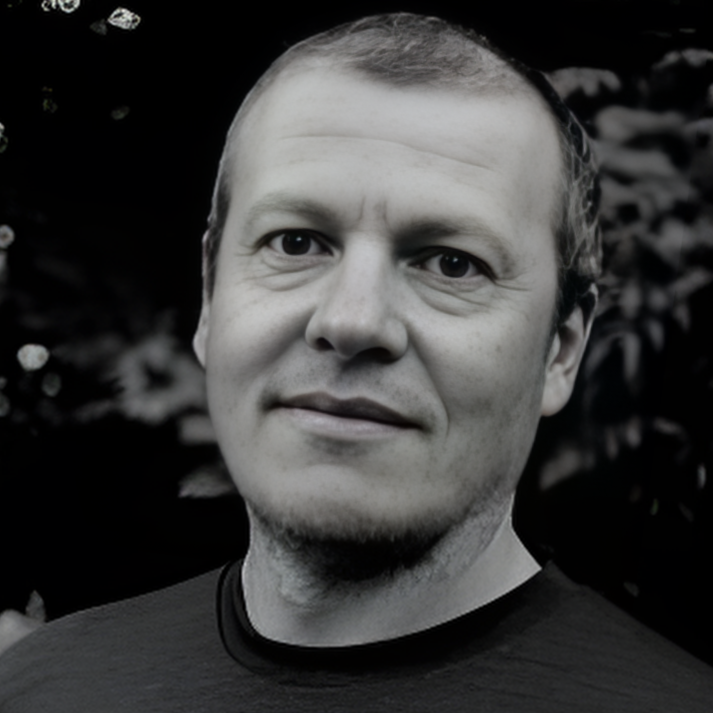
Amir specializes in emerging forms of micromobility such as e-bikes and e-scooters, and their impacts on cycling infrastructure and multi-use pathways. In his current role as Project Engineer with the CRD, he applies his research and engineering background to deliver a $53M capital project, including upgrades on key sections of the Galloping Goose and Lochside Regional Trails to support growing demand and increased presence of electric micromobility. Amir is now binge-watching old Jeopardy! episodes to prep for co-hosting the Micromobility Jeopardy session at the Thursday evening social event at the Sticky Wicket - he hopes to see you there!