How much and where should the province spend on active transportation — walking, cycling and rolling — going forward? This Friday, June 26th at 5:00pm, the public consultation period closes — this is your chance to make a written, audio and video submission, and answer a government survey about how public money should be spent in 2021-22.
Read MoreIt is estimated that less than 30% of cycling collisions with motor vehicles are collected by official sources, such as ICBC or police, leaving most incidents unreported.
BikeMaps.org was launched by UVic researchers in 2014, with the goal of capturing more data on bicycling safety, and to inform transportation policy-makers, planners and engineers on real-world experiences of people who bike.
Read MoreBC’s Motor Vehicle Act (MVA) was written in 1957, a time when only 200,000 vehicles were registered province-wide, and bicycles were lumped alongside 'play-vehicles'.
While frequently amended in the subsequent six decades — hundreds of amendments in the last 20 years alone — the continued failure of the MVA to recognize the many different ways our roads are used today has resulted a couple of major issues impacting all British Columbians.
Read MoreThe BC Cycling Coalition has been working with members and stakeholders to develop four sets of recommended actions for the provincial government, which we’ve made public in a document entitled, “Recommendations to the Government of BC: Active Transportation for States of Emergency.”
Read MoreRelated to the current pandemic, articles and research proposals currently circulating in the public have included recommendations related to physical spacing while cycling and walking without citing peer-reviewed evidence to support their claims.
Read MoreThis is no less critical a time for active transportation than any time in the past, and we can reasonably argue it is now THE most important time — to seriously focus on cycling as a transportation solution, as an outlet for physical activity, and as a salve for our emotional fatigue.
Read MoreMaintaining our active transportation options—the ability to walk, bike, and wheel—can help us all achieve Canada's physical activity guidelines, and is as important as ever for our quality of life.
If you have no symptoms, stay 2 metres (6 feet) away from others, and strictly follow Health Canada’s COVID-19 prevention rules, you can walk and cycle in support of your physical and mental health.
Read MoreLast year, changes went into effect at ICBC in order to limit costs and make the rating system fairer — and more just — for all who drive.
However, not every British Columbian owns or drives a motor vehicle. Vulnerable road users — people who predominantly walk, cycle or wheel for transportation, as well as those who use transit — represent neither the source of a significant proportion of the losses at the Crown corporation, nor the overriding need to overhaul its rating system.
Read MoreThis disappointing and somewhat alarming gap in Budget 2020 — and all the related missing pieces in the MoTI Service Plan related to AT — seems to harken back to earlier eras, when cycling was just not part of the provincial conversation. In the ‘80s and ‘90s, active transportation was not really “a thing”, and we had no broad, mainstream cultural imperative driving the everyday discourse towards big, bold moves aimed at resolving existential crises.
Read MoreWith the prospect of the provincial government clearing away legislative hurdles for ride-hailing companies to begin operating in BC next year, the BCCC has issued a white paper entitled, “Making Roads Right for Ride-hailing”.
Read MoreThe Province of BC has opened up public consultation on active transportation, an opportunity for all British Columbians to participate in the policy-making process related to walking, wheelchair use, cycling, and other emerging forms of human transport. Public feedback will be open until April 15.
Read MoreOn Friday, November 30, 2018, the Canadian cycling advocacy community lost a giant in Arno Schortinghuis. It would be impossible the BCCC team to adequately express what Arno meant to the organization, and to cycling in British Columbia, in the nearly two decades he was involved.
Read MoreThe Province of British Columbia’s Select Standing Committee on Finance and Government Services have recommended eliminating PST on electric assist bicycles.
Currently, bicycles and transportation fares in BC are exempt from PST charges, and clean energy vehicles are eligible for rebates up to $5,000.
Read MoreA resolution calling on the province to support effort advocacy efforts to modernize the Motor Vehicle Act passed at the 2018 Union of BC Municipalities (UBCM) conference.
Moved by The City of New Westminster, the resolution entitled ‘Updating the BC Motor Vehicle Act to Improve Safety for All Road Users’ voiced support for meaningful recommendations toward reform of the Act, as expressed by the position paper ‘Modernizing the BC Motor Vehicle Act’, authored by the Road Safety Law Reform Group of British Columbia.
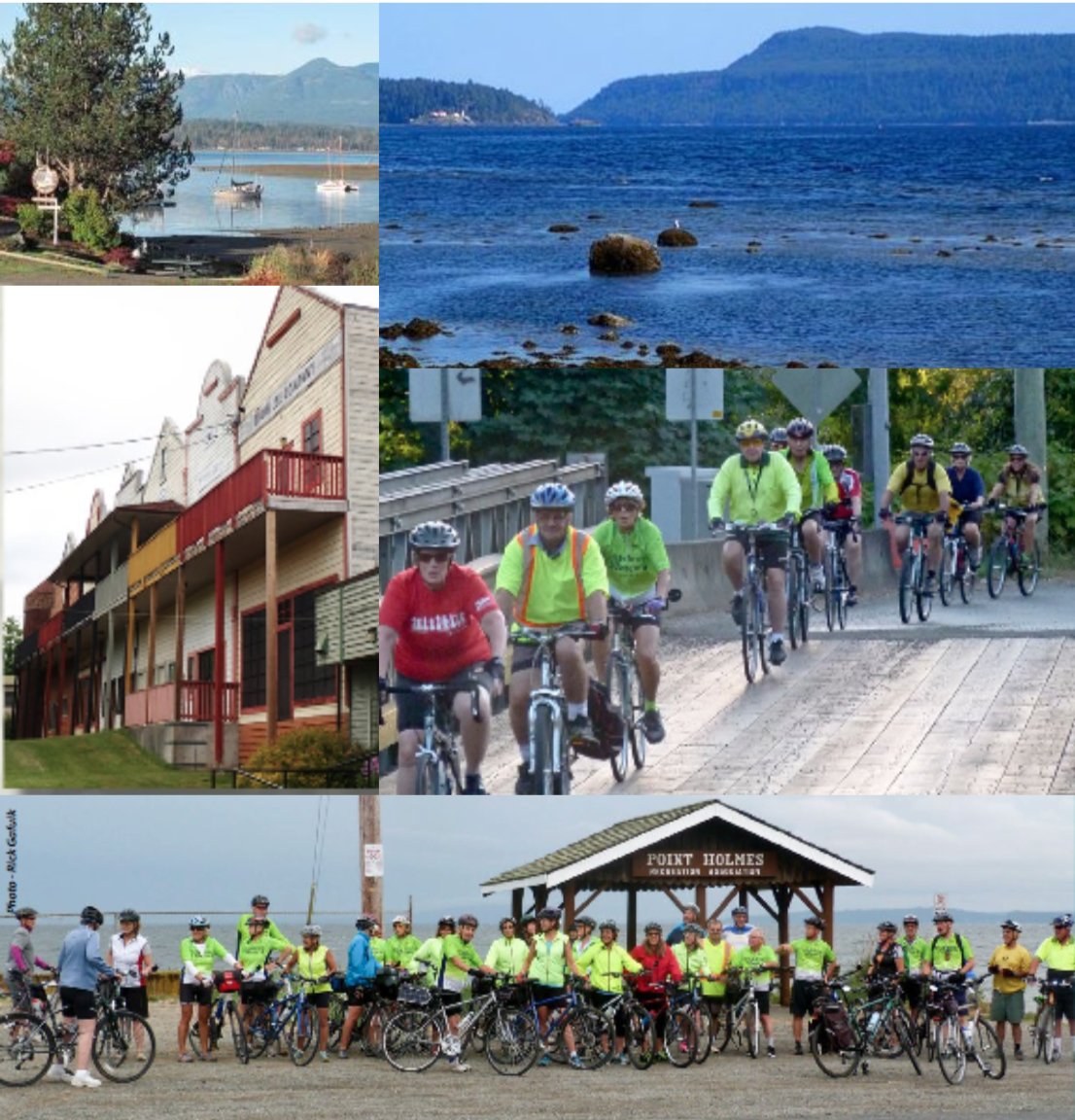
Read MoreIn collaboration with the Comox Valley Cycling Coalition and Friends of Rails to Trails Vancouver Island, the BCCC has released a report which identifies opportunities to improve cycling and walking transportation, recreation and tourism in the Mid-Vancouver Island Region, specifically the Comox Valley Regional District.
Read MoreRising competitive cycling star Ellen Watters died after having been struck by a motorist near Sussex, NB, in December 2016. Watters, 23, was on a training ride.
Read More