|
An update on active transportation advocacy, programs and events from the BCCC. ͏ ͏ ͏ ͏ ͏ ͏ ͏ ͏ ͏ ͏ ͏ ͏ ͏ ͏ ͏ ͏ ͏ ͏ ͏ ͏ ͏ ͏ ͏ ͏ ͏ ͏ ͏ ͏ ͏ ͏ ͏ ͏ ͏ ͏ ͏ ͏ ͏ ͏ ͏ ͏ ͏ ͏ ͏ ͏ ͏ ͏ ͏ ͏ ͏ ͏ ͏ ͏ ͏ ͏ ͏ ͏ ͏ ͏ ͏ ͏ ͏ ͏ ͏ ͏ ͏ ͏ ͏ ͏ ͏ ͏ ͏ ͏ ͏ ͏ ͏ ͏ ͏ ͏ ͏ ͏ ͏ ͏ ͏ ͏ ͏ ͏ ͏ ͏ ͏ ͏ ͏ ͏ ͏ ͏ ͏ ͏ ͏ ͏ ͏ ͏ ͏ ͏ ͏ ͏ ͏ ͏ ͏ ͏ ͏ ͏ ͏ ͏ ͏ ͏ ͏ ͏ ͏ ͏ ͏ ͏ ͏ ͏ ͏ ͏ ͏ ͏ ͏ ͏ ͏ ͏ ͏ ͏ ͏ ͏ ͏ ͏ ͏ ͏ ͏ ͏ ͏ ͏ ͏ ͏ ͏ ͏ ͏ ͏ ͏ ͏ ͏ ͏ ͏ ͏ ͏ ͏ ͏ ͏ ͏ ͏ ͏ ͏ ͏ ͏ ͏ ͏ ͏ ͏ ͏ ͏ ͏ ͏ ͏ ͏ ͏ ͏ ͏ ͏ ͏ ͏ ͏ ͏ ͏ ͏ ͏ ͏ ͏ ͏ ͏ ͏ ͏ ͏ ͏ ͏ ͏ ͏ ͏ ͏ ͏ ͏ ͏ ͏ ͏ ͏ ͏ ͏ ͏ ͏ ͏ ͏ ͏ ͏ ͏ ͏ ͏ ͏ ͏ ͏ ͏ ͏ ͏ ͏ ͏ ͏ ͏ ͏ ͏ ͏ ͏ ͏ ͏ ͏ ͏ ͏ ͏ ͏ ͏ ͏ ͏ ͏ ͏ ͏ ͏ ͏ ͏ ͏ ͏ ͏ ͏ ͏ ͏ ͏ ͏ ͏ ͏
Things We Didn’t Think Needed Saying
|
|
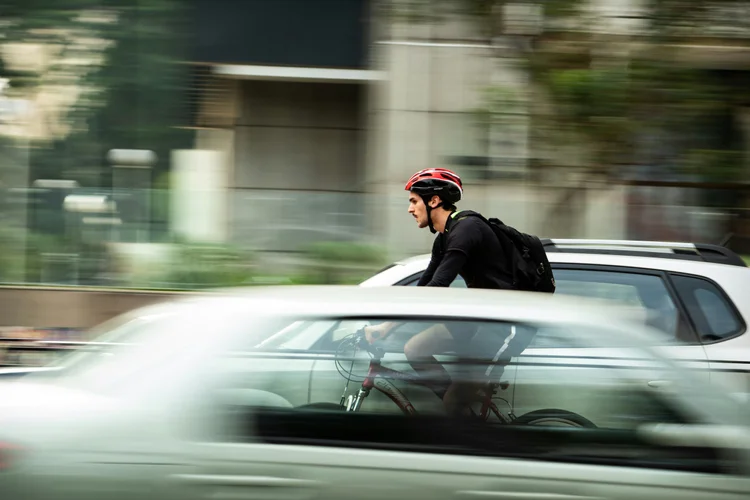
For one, don’t drive on the wrong side of the road. It’s probably one of the first lessons of driver training…or is it? Do we assume everyone knows this? Perhaps not—from 2021-2024, motor vehicle operators driving on the wrong side of the road cost 181 British Columbians their lives. Here’s another: when driving, focus on driving. Because distracted driving killed 400 people in the same time period. Or this: please don’t speed. Exceeding the speed limit was a factor in 454 deaths, by far the greatest contributing factor of road deaths in that four-year period. We looked at the almost 1,500 deaths on B.C.’s streets and highways recorded by ICBC in those 4 years, and over 85% could have been avoided. Our belief? Stricter road safety laws and enforcement are critical to reducing both injuries and deaths, as well as the related impacts on our economy. This is where ongoing updates to the Motor Vehicle Act are important. And because recent crash statistics are so alarming—and particularly bad for vulnerable road users, ie. cyclists and pedestrians—we continue to press the B.C. government for bolder, more progressive-minded changes to our road laws. More on this effort below. None of this work can happen without member support. BCCC Members are our voice—members help us tap into communities beyond Vancouver and Victoria, and find out what will make active transportation safer all over the province, including (and especially) in rural and Indigenous communities, and wherever there are equity, accessibility, or safety challenges in our transportation system. So we’ve made changes to ensure BCCC membership is also accessible to the greatest number of people. We now have free and paid membership options—please join us so we can continue this work. More neat stuff below.
|
What Changes Would You Bring to the Motor Vehicle Act?
|
ICBC stats show B.C. crash rates are rising; we’re seeking feedback from members on what needs to change.Speeding, driver distraction, and a short list of moving violations make up the vast proportion of fatalities on B.C. roads since 2021, according to crash statistics tracked by ICBC. Increasingly, vulnerable road users—cyclists and pedestrians—are being injured or killed in casualty crashes at rates that far outpace population growth over the same period. More people cycling and walking shouldn’t mean a rapid uptick in injuries and deaths. We’re asking our members to review recommendations for changes to B.C.’s Motor Vehicle Act (MVA), and send us feedback.
Read more →
|
Making the Case for Federal AT Funding: Vélo Canada Bikes
|
|
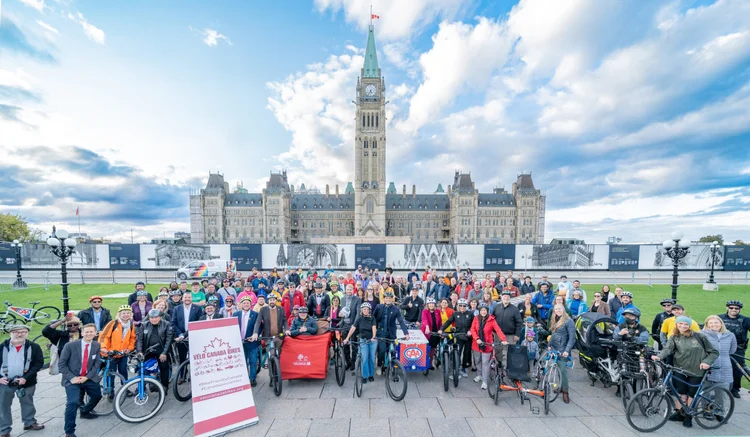
Vélo Canada Bikes (VCB) is a non-profit, active transportation advocacy organization founded in 2012, working to build a bicycle-friendly Canada. VCB is leading an effort to urge Gregor Robertson, Canada’s Minister of Housing, Infrastructure and Communities, to release $500 million in funding commitments—and to issue approvals—for capital project applications submitted to the Active Transportation Fund (ATF) in 2025. These funds have still not been awarded, and BCCC has signed a joint statement, along with a diverse group of Canadian not-for-profit organizations and businesses, that makes the case: unlocking active transportation funding will demonstrate to Canadians that the federal government is truly ready to build a modern, affordable, and scalable transportation system as part of a generational effort for economic renewal in Canada.
|
School Streets taking off in B.C.
|
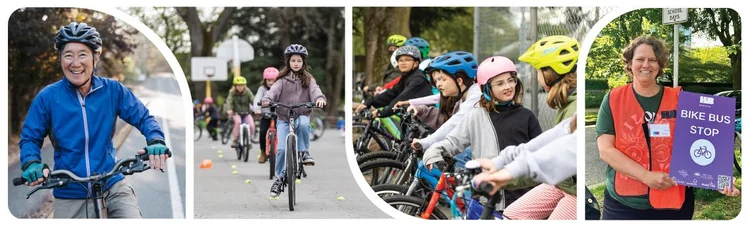
Funding from government and non-profits helps keep children safe and active on school days.Encouraging active travel to school supports many local communities’ transportation, climate action, and community health and safety goals. Temporarily closing roads beside schools during student arrival and dismissal times—’School Streets’—is one way to do this. Over the last year, local, provincial and federal governments have been supporting School Streets to help achieve these goals, through improved traffic safety near schools, reduced vehicle emissions during peak periods, increased walking and cycling to school, and new opportunities for social connection and physical activity in B.C. communities. This week, the City of Burnaby hosted a one-week School Street pop-up at Gilmore Elementary School.
|
BCCC Memberships: now more ways to get involved
|
Whether you’re a represent yourself or an organization, it’s easy (and free) to get involved.Your feet, the bicycle, adaptive or micro-mobility devices — they all count as active transportation (AT) AT users and their devices are all legitimately part of B.C.'s transportation system B.C.’s transportation system should be safe, equitable and accessible to all
If these three statements resonate with you, consider joining the BC Cycling Coalition. This is our work, and Members help support it through their voices and membership dues. We now offer Basic (free) or Full (paid) Memberships to people and organizations. Both types come with certain rights and benefits. If you’re a past, former or prospective BCCC Member, you can read more about the changes and how to join—or upgrade your Membership—on our website. Go there now & JOIN →
|
Pender Island Finally Gets a Bike Path!From a dangerous, shoulder-less road, to a 2-km off-road, multi-use active transportation corridor that’s the envy of cities and towns across B.C., Pender Island certainly didn’t do it the easy way. Path builder Rob Fawcett joins Peter to share how individual pledges from this small, rural island community helped unlock a BC Active Transportation grant to build a big capital project, something that almost never happens for unincorporated communities. Dubbed the Schooner Way Trail, it’s now benefiting locals and tourists alike, and serves as a harbinger of an even greater vision: a connected network of shared-use trails across the Gulf Islands that could transform how people get around by bike, on foot, or by e-bike. (Season 3, Ep. 20) On jobs, wages, and the skills bottleneck in Canada’s bike mechanics sectorPeter chats with Zoé Kruchten in this episode, a bicycle mechanic and community engagement specialist with more than a decade of experience in bicycle mechanics, active transportation advocacy, and research. Zoé shares details about the national push behind the Canadian Bicycle Industry Skills Coalition as part of her work with the Canadian Bicycle Industry Skills Coalition (CBISC), including a survey aimed at finally producing real labour market data for this increasingly important segment of the economy. They also talk about shop closures, e-bike repair, and why policies like France’s Repairability Index matter for sustainable transportation and AT. (Season 3, Ep. 21)
|
|
|
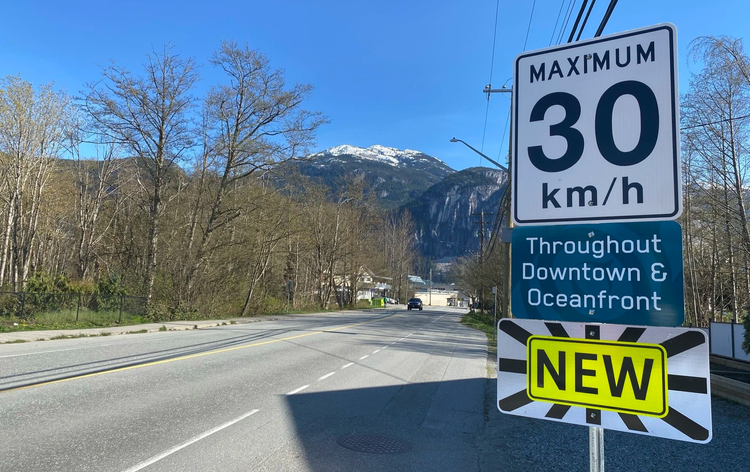
Signs advising of new speed limits in the Squamish downtown and oceanfront neighbourhoods are everywhere! |
|
More active transportation news and eventsA resolution supporting ‘Wheelchairs and Mobility Scooters in Bike Lanes/Routes’ recently received unanimous approval at Victoria City Council, which paves the way (sorry) for a vote at a meeting of the Association of Vancouver Island and Coastal Communities. If the resolution passes, it goes in front of delegates at the 2026 UBCM Convention in September. The BCCC has provided its endorsement for this resolution, which was led by the Council of Senior Citizens Organizations of BC (COSCO). Learn more about COSCO’s work →
Canadian Bicycle Industry Skills Coalition seeking to build A recognized, skilled, inclusive and sustainable bicycle mechanic workforce powering Canada’s transition to active and sustainable transportation. To formalize, strengthen, and grow the bicycle mechanic profession through recognition, standards, and workforce development. Learn more and get involved →
|
Inspired? Looking to get involved?BCCC working group members support our work on Motor Vehicle Act reform, lobbying the provincial government to resume AT infrastructure funding, rural transportation policy, and cycle tourism initiatives. To get involved, you just need to be an active BCCC Member.
|
|
Let’s keep moving forward—together! Thank you, Colin Stein | Executive Director
on behalf of BCCC Board of Directors & Staff
|
|
|
|